
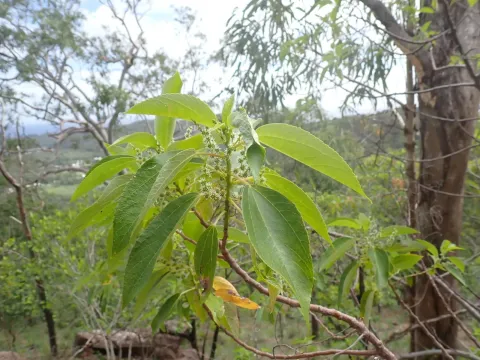
Pipturus
Pipturus
Propagation of Pipturus is primarily achieved through seeds or vegetative methods such as cuttings. In tropical climates, where most species of this genus are native, sowing is typically timed with the onset of the rainy season to ensure natural soil moisture for germination.
What the section contains

Pipturus
The seeds of Pipturus are very small, necessitating sowing in prepared nursery trays with a light, porous substrate. Covering the seeds with soil should be minimal, as many species in this family require light to trigger successful germination.
Transplanting seedlings to the field occurs once they reach a height of 15–20 centimeters. It is essential to maintain proper spacing, allowing sufficient nutritional area for each plant, as mature shrubs can develop a significant canopy width.
The optimal planting window is dictated by local precipitation cycles. In commercial cultivation, seed priming or pre-soaking is often used to ensure uniform emergence, which is critical for consistent plantation density.
Early-stage management requires diligent weed control, as young plants are highly sensitive to competition. Mulching the root zone is a recommended practice to conserve soil moisture and suppress unwanted invasive vegetation around the base of the crop.
Pipturus belongs to the Urticaceae family and naturally occurs as shrubs or small trees native to the Pacific Islands. These plants thrive in humid tropical forests and require well-drained, fertile soils with a neutral to slightly acidic pH balance.
This crop is highly demanding regarding light levels and ambient humidity. While it thrives in sunny locations, young specimens benefit from partial shade to prevent heat stress and scorching of the root system during peak daylight hours.
Soil aeration is a critical factor for successful development. Waterlogging is detrimental to the roots, so commercial production on heavy soils requires the implementation of drainage systems or planting on raised beds to prevent oxygen depletion.
A stable, high-temperature environment is necessary, as Pipturus is a heat-loving tropical plant. Temperatures consistently falling below 15 degrees Celsius significantly retard growth and may lead to physiological tissue damage.
Mineral nutrition should be balanced, with a focus on nitrogenous fertilizers during the active stem-growth phase. Potassium supplementation is beneficial for strengthening the fibers, which are the primary economic product of this plant.
The economic value of Pipturus lies in its strong bark fibers, which have historically been utilized for cordage, fishing nets, and textiles. Yield potential is determined by plant age and the intensity of management practices.
Biomass harvesting is conducted through cyclical pruning of the stems. With proper agronomy, the plant demonstrates excellent coppicing ability, allowing for multiple harvests from the same rootstock throughout the plant's life cycle.
Fiber productivity is estimated based on the dry matter yield from freshly cut stems. Fiber quality is directly correlated with stem maturity: the most valuable material is extracted from young yet sufficiently lignified stems.
Intensive cultivation demands regular replenishment of soil nutrients to compensate for the biomass removed during harvesting. Without adequate fertilization, growth rates often decline noticeably after the second harvest cycle.
Crop yield is also influenced by planting density. While higher density increases total biomass per hectare, it may slightly reduce individual fiber quality due to increased competition for sunlight in the lower canopy levels.
Pipturus is susceptible to various tropical pests, with aphids and mealybugs being the most common threats. These insects extract sap from tender foliage, which can stunt the overall vigor and growth rate of the plant.
Fungal pathogens, such as anthracnose or various leaf spot diseases, thrive in high humidity environments with poor airflow within the plantation. Maintaining adequate spacing between rows is essential for disease management.
Root rot represents a severe risk in waterlogged soil conditions. Pathogens such as Pythium and Phytophthora species attack the root system, often leading to rapid plant decline if soil moisture levels are not managed effectively through drainage.
Soil-borne nematodes can damage the root system, inhibiting water and nutrient uptake. Strategies to mitigate this include systematic crop rotation and the use of certified healthy planting stock to prevent infestation.
Integrated pest management, combining biological control agents with strict phytosanitary measures such as the prompt removal of infected plant debris, is recommended to keep pest populations below the economic injury level.