
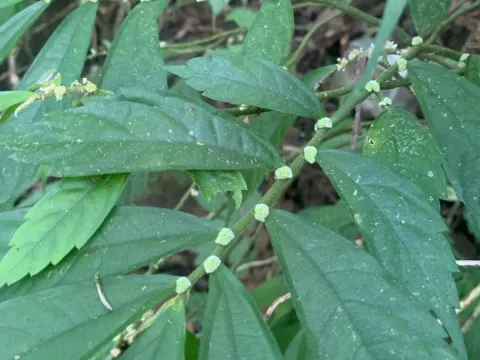
Elatostema
Elatostema
Elatostema is a diverse genus of perennial herbs belonging to the Urticaceae family. These plants are native to the tropical and subtropical regions of Africa, Asia, and the Pacific islands.
What the section contains
Elatostema
These plants thrive in indirect light, mimicking the shaded environment of a forest floor. Excessive exposure to direct sunlight can quickly damage the delicate foliage of most species.
High humidity is essential for the health of Elatostema. Providing consistent moisture in the air prevents leaf-edge browning and promotes lush, healthy growth throughout the year.
The ideal growing medium should be well-draining, nutrient-rich, and slightly acidic. A mix of peat, perlite, and leaf mold is generally recommended to maintain optimal root health.
Temperature management is crucial, as the plant prefers stable environments between 20°C and 25°C. Exposure to sudden cold drafts or temperatures below 15°C should be strictly avoided.
Spider mites are the most common pests affecting Elatostema, particularly when indoor air humidity levels drop too low during the heating season.
Root rot is a frequent issue caused by improper watering practices. It is vital to allow the top layer of soil to dry out slightly before the next watering session.
Mealybugs can infest the plant, settling in the nodes and leaf axils. Regular inspection is necessary to catch and treat these infestations before they spread significantly.
Fungal leaf spot diseases may appear if the foliage remains wet for extended periods in environments with poor airflow. Maintaining good air circulation is a primary preventive measure.
Aphids can occasionally target new, tender growth. If noticed, the use of mild insecticidal soaps or neem oil is usually effective in controlling the population without damaging the leaves.