
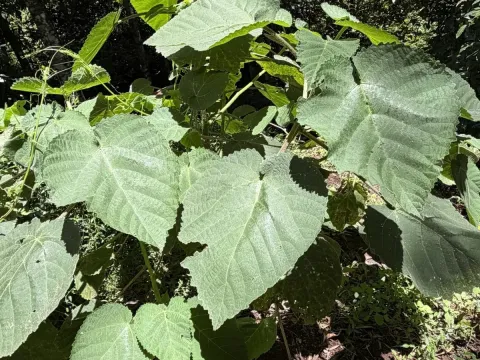
Dendrocnide
Dendrocnide
Dendrocnide is a genus of trees and shrubs belonging to the Urticaceae family, famously known for their potent stinging hairs. These plants are native to the tropical rainforests of Australia, Indonesia, and parts of the Pacific Islands.
What the section contains

Dendrocnide
They thrive in high-humidity tropical climates with abundant rainfall and warm temperatures throughout the year. They typically colonize clearings, forest edges, and areas where natural canopy gaps allow for significant sunlight penetration.
The soil requirements involve deep, nutrient-rich, well-draining substrates. In the wild, they are often found on volcanic soils or riverine deposits that provide the necessary minerals for rapid vegetative growth.
Botanically, they are characterized by their large leaves and the presence of silicified trichomes. These hairs contain a potent neurotoxin that causes extreme and long-lasting pain upon contact with skin, making handling dangerous.
There is no commercial agricultural use for Dendrocnide due to its extreme toxicity. Any scientific cultivation is restricted to high-security botanical facilities for research into the chemical composition of their stinging toxins.
Despite their defenses, certain insects, such as the larvae of the white-nymph butterfly, have evolved to feed on Dendrocnide leaves without being affected by the toxins. These insects are the primary biological threat to the plants.
Fungal pathogens often target the leaves and stems in high-humidity conditions, leading to leaf spots or stem rot. Proper ventilation is essential if the plants are maintained in controlled research environments.
Root pathogens represent a significant risk, particularly in poorly drained soils. Phytophthora species can cause rapid decline and eventual death of the tree if the soil moisture level remains consistently too high.
Mechanical damage to the trunk often serves as an entry point for various secondary infections. Such wounds can weaken the plant, making it more susceptible to environmental stress and opportunistic infestations.
Management of these plants in any setting requires extreme safety precautions, including specialized protective gear to avoid contact with airborne trichomes or direct touch during inspection or maintenance.