
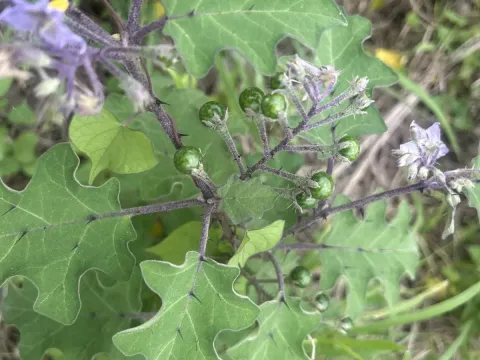
Violet nightshade
Solanum violaceum
Violet nightshade (Solanum violaceum) is a perennial shrub belonging to the Solanaceae family. In agricultural practices, it is typically propagated from seeds sown in controlled nursery environments during the late winter or early spring.
What the section contains
Violet nightshade
The seeds require temperatures between +22 and +26 degrees Celsius to germinate effectively. It is essential to use a loose, well-draining seed-starting mix to prevent damping-off diseases during the initial growth phase.
Seedlings should be pricked out when they develop their first set of true leaves. This allows each young plant sufficient space to develop a strong root system before being hardened off for outdoor planting.
Hardening off is a critical phase that involves gradually exposing the plants to outdoor conditions over a period of two weeks. This preparation helps them withstand the transplant shock upon moving to the field.
Planting in the field is usually done after the risk of frost has passed. Spacing is important to ensure air circulation and light penetration, which are vital for the health of the plant.
This species thrives in sunny, well-lit locations. While it appreciates full sun, it may benefit from partial shade during the most intense peak-day heat in tropical climates to prevent leaf scorch.
Well-drained, loamy soils rich in organic matter are ideal for its development. The soil pH should be slightly acidic to neutral to ensure the proper uptake of micronutrients by the roots.
Watering requirements are consistent; the soil should remain moist but not waterlogged. Excessive moisture can lead to root rot, which is a major physiological threat to this species.
A temperature range of +20 to +30 degrees Celsius is optimal for sustained vegetative growth and fruit production. It does not tolerate frost, making it sensitive in regions with cooler climates.
Regular fertilization with a balanced NPK fertilizer is recommended, especially during the flowering and fruit-setting stages. Organic amendments like compost also support overall plant health.
The yield of Solanum violaceum is largely determined by the plant's health and the availability of nutrients during its productive season. The fruits are primarily used for their therapeutic and culinary properties.
Fruit set typically occurs several months after transplanting. By practicing selective pruning, farmers can encourage the plant to grow bushier, which in turn increases the number of fruiting sites.
Harvesting is performed incrementally. A healthy, well-maintained plant can continue to produce fruits over an extended period if the environment remains stable and free from severe stressors.
Yield quality is enhanced by ensuring the plant is not overcrowded. Proper light exposure ensures that fruits develop their characteristic color and concentration of beneficial secondary metabolites.
Farmers are encouraged to monitor plant density, as excessive competition between plants can lead to smaller fruit sizes and reduced overall productivity of the plantation.
Pests such as aphids, spider mites, and whiteflies are common threats to Violet nightshade. These insects can cause significant damage by feeding on sap and transmitting viral diseases.
Fungal pathogens like Phytophthora and various root rots pose a risk if the irrigation management is poor. These diseases often manifest during periods of high humidity and poor soil drainage.
Viral infections, such as those causing mosaic patterns on leaves, are difficult to treat and usually require the complete removal of infected plants to prevent spreading to healthy specimens.
Preventive measures include the use of disease-free seeds and regular scouting for insect populations. Maintaining field hygiene by removing plant debris is essential to minimize pest and disease buildup.
Biological controls, such as beneficial insects, are preferred over broad-spectrum pesticides to maintain the ecological balance and ensure the safety of the harvested product.
Harvesting of Violet nightshade fruits occurs when they reach the desired stage of ripeness. Typically, this is when the fruits show a deep, uniform color and feel firm yet slightly yielding to touch.
Using sharp shears or scissors is recommended to harvest the fruits cleanly. This prevents tearing of the stem tissue and reduces the risk of pathogens entering the plant through wounds.
Post-harvest handling requires gentle care to avoid bruising. Fruits should be stored in a cool, shaded place with good ventilation to prevent rapid spoilage before they reach the processing facility.
The fruits have a relatively short shelf life if left at room temperature. For this reason, processing usually occurs shortly after harvest to preserve the quality and nutritional value of the produce.
Cleaning up the field after the season is an essential part of the harvest cycle. By removing all plant remnants, growers effectively disrupt the life cycles of potential pests and soil-borne diseases.