
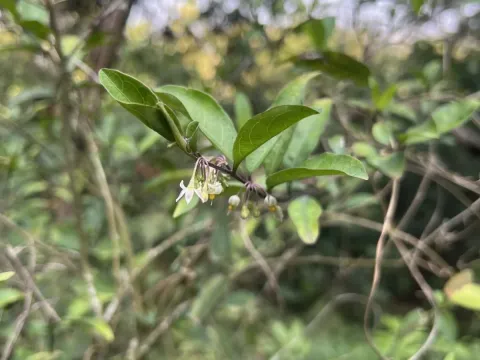
Two-leaf nightshade
Solanum diphyllum
Solanum diphyllum, commonly known as two-leaf nightshade, is a perennial evergreen shrub native to the tropical and subtropical regions of the Americas.
What the section contains
Two-leaf nightshade
This species is valued in horticulture for its distinct foliage and clusters of small, bright yellow or orange fruits that provide a decorative appearance throughout the year.
The plant thrives in bright, filtered light and requires a frost-free environment, making it suitable for greenhouses or warm temperate climates as an ornamental addition.
Well-draining, nutrient-rich potting soil is essential for optimal growth, as the root system is highly susceptible to rot when kept in waterlogged conditions.
Regular maintenance involves light pruning to maintain a bushy shape, along with consistent fertilization during the active growing season to support fruit production.
Spider mites are a primary concern for this crop, especially in indoor environments where air humidity is low, leading to leaf drop and general plant decline.
Whiteflies can also infest the underside of leaves, causing yellowing and hindering photosynthesis, which requires early detection and treatment for control.
Fungal issues such as leaf spot may occur if air circulation is poor, necessitating adequate spacing between plants and careful control of irrigation frequency.
Management of these pests often involves integrated pest management (IPM) practices, prioritizing biological controls over broad-spectrum synthetic pesticides.
Growers should handle the plant with caution, as all parts of Solanum diphyllum contain solanine and other toxic alkaloids that are harmful if ingested by humans or pets.