
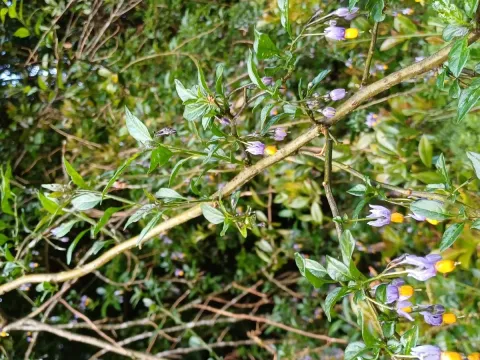
Valdivian nightshade
Solanum valdiviense
Valdivian nightshade (Solanum valdiviense) is a perennial species belonging to the diverse Solanaceae family. Originating from the temperate regions of South America, specifically Chile, it thrives in environments characterized by mild temperatures and consistent moisture levels.
What the section contains
Valdivian nightshade
The crop requires well-drained, nutrient-rich soils with a slightly acidic to neutral pH level. It is essential to prevent waterlogging, as the root system of this species is highly susceptible to decay if exposed to stagnant moisture for prolonged periods.
Climate requirements include protection from extreme temperature fluctuations. While it prefers moderate warmth, it lacks significant frost tolerance, making it a plant that is best suited for controlled environments or mild coastal climates in non-native regions.
Light exposure is a critical factor for the healthy development of Solanum valdiviense. It performs best when provided with ample access to sunlight, which ensures robust stems and optimal metabolic rates during the growing season.
Agrotechnical maintenance includes regular irrigation and the application of balanced fertilizers. Maintaining a consistent moisture level in the root zone is vital, especially during peak growth stages to support its vegetative vigor and foliage production.
The Valdivian nightshade is prone to typical Solanaceae pests, including aphids, whiteflies, and spider mites. These insects can quickly colonize the undersides of leaves, requiring vigilant monitoring and integrated pest management strategies.
Fungal diseases are a significant concern, particularly late blight and root rot. These pathogens thrive in conditions where air circulation is restricted and humidity remains constantly elevated, necessitating good spacing between individual plants.
Powdery mildew can also affect the foliage during the middle of the growing season if the plants are subjected to frequent cycles of wet and dry foliage. Applying organic or synthetic fungicides during the early onset of symptoms is standard practice.
Viral infections transmitted by sap-sucking insects present a long-term threat to plant health. Once a plant is infected with certain viruses, there is no curative treatment, making the control of insect vectors the primary line of defense.
To minimize damage, growers should implement strict sanitation practices, including the removal of debris and the cleaning of pruning tools between uses. Healthy, well-fed plants often exhibit higher natural resistance to these common biological threats.