
Walnut-leaved nightshade
Solanum juglandifolium
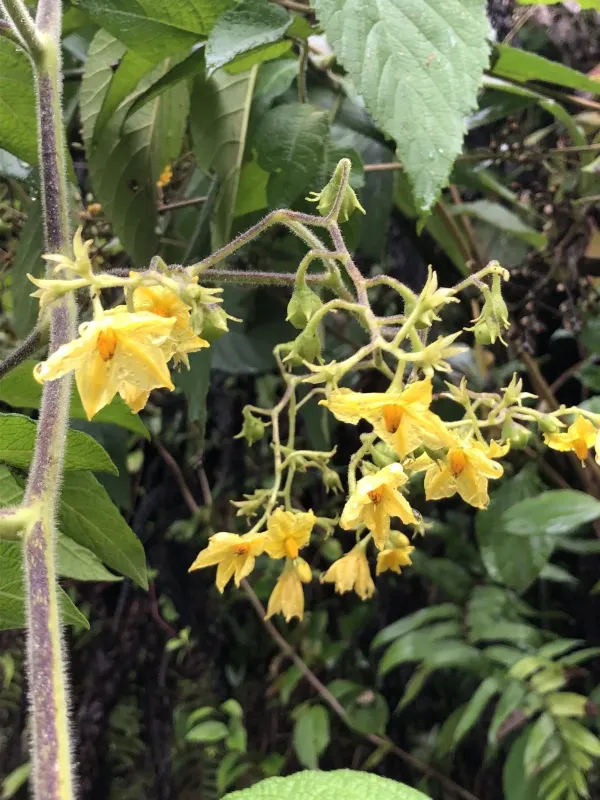
Description
Growing requirements
The walnut-leaved nightshade (Solanum juglandifolium) is a woody, climbing perennial species belonging to the Solanaceae family. In its natural form, it acts as a vine, utilizing other vegetation or structures to reach for sunlight in its native forest environment.
Native to the high-altitude cloud forests of the Andes in South America, specifically countries like Colombia and Ecuador, it thrives in cool, humid climates. This adaptation makes it distinct from many of its low-land nightshade relatives that require more heat.
Cultivation of this species requires well-draining soil that is rich in organic matter. Because it is a wild-related species, it performs best in environments that mimic its natural habitat, requiring stable moisture levels without constant waterlogging at the root zone.
Botanically, the plant is characterized by its distinct, pinnate leaves that bear a striking resemblance to those of a walnut tree. The flowers are typically arranged in elegant clusters, reflecting the evolutionary specialization of the species for its mountainous niche.
The primary agricultural and scientific use of this plant is as a source of genetic diversity for tomato (Solanum lycopersicum) breeding. Its natural resistance traits are highly valued for developing modern crop varieties that can withstand challenging environmental conditions.
Main diseases and pests
Like many members of the genus Solanum, this plant can be susceptible to fungal diseases such as late blight in environments with poor air circulation. High humidity combined with stagnant air often acts as a catalyst for these fungal infections.
Pests such as aphids and whiteflies frequently target the tender young foliage of the plant. These insects can cause physical damage and act as vectors for various plant viruses, which can be detrimental to the health and propagation of the specimen.
Proper management of the growing environment is essential for keeping the walnut-leaved nightshade healthy. This includes ensuring sufficient spacing between plants to prevent the spread of soil-borne or airborne pathogens within the cultivation area.
Preventative measures for pest control involve monitoring and sanitation. Removing dead or necrotic tissue promptly prevents the buildup of pathogens, ensuring that the plant's resources are channeled into growth rather than defense against recurring infections.
Because of its rarity and importance to genetic research, integrated pest management strategies are often employed. These strategies focus on maintaining ecological balance within the greenhouse or trial plot to protect the integrity of the plant's genetic material.