
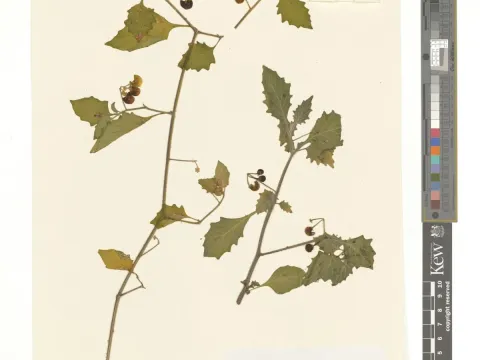
Memphis nightshade
Solanum memphiticum
Memphis nightshade is a heat-loving crop, requiring soil temperatures to reach at least 15–18 degrees Celsius before direct sowing into the open field is considered.
What the section contains
Memphis nightshade
In regions with cooler climates or shorter growing seasons, starting the plants from seeds in a greenhouse or indoors 60–70 days before transplanting is the recommended approach.
Sowing in containers should be timed for late winter or early spring to ensure seedlings are robust enough to withstand the transition to outdoor conditions.
Seeds should be planted at a depth of approximately 1 centimeter, ensuring the growing medium remains moist and the ambient temperature stays around 22 degrees.
Pricking out the seedlings at the two-leaf stage helps encourage deeper root development and ensures stronger plants that can better cope with transplantation stress.
This member of the Solanaceae family thrives best in full sun, requiring locations that are protected from strong, drying winds which could hinder fruit development.
The soil should be well-drained, fertile, and have a neutral pH to facilitate optimal nutrient uptake and promote healthy, vigorous plant growth throughout the season.
Proper moisture management is essential; while the plants need adequate hydration, waterlogged soil can lead to root rot and other serious physiological problems.
Temperatures during the growing phase should ideally stay between 25 and 28 degrees Celsius, with night temperatures remaining above 15 degrees to prevent stunted growth.
Regular applications of balanced fertilizers, particularly those rich in phosphorus and potassium, will support a successful flowering phase and improve overall yields.
Common pests affecting this species include the Colorado potato beetle and various species of aphids, which can quickly overwhelm an unprotected crop if left unchecked.
High humidity levels combined with poor air circulation often lead to late blight infections, which are characterized by dark, necrotic spots on the foliage and fruit.
Soil-borne nematodes can pose a hidden threat to the root system, leading to stunted plants and a significant reduction in the total marketable yield for the season.
Implementing a strict crop rotation schedule, avoiding consecutive planting in the same area, is the most effective way to prevent the buildup of soil-borne pathogens.
Using integrated pest management strategies, such as biological control agents and resistant cultivars, is key to maintaining a healthy and productive plantation.
The harvesting process begins once the fruits reach their physiological maturity, indicated by the development of the characteristic color and firm texture of the cultivar.
Care should be taken to harvest fruits during dry weather conditions to minimize the risk of post-harvest rot and maintain the quality of the harvested produce.
Using sharp tools to cut the fruit stalks prevents physical damage to the plant, which helps ensure that subsequent sets of fruits can continue to develop normally.
Grading and sorting are vital steps after the harvest to ensure that only the highest quality fruits are stored or prepared for market distribution.
Proper storage in a cool, ventilated area will help extend the shelf life of the fruit, maintaining its flavor profile and nutritional value for a longer period.