
Mandragora
Mandragora
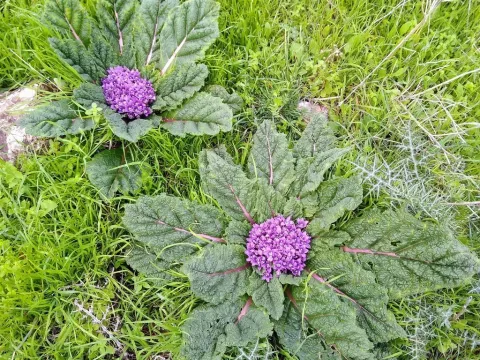
Mandragora is a perennial herbaceous plant from the Solanaceae family. Propagation is primarily carried out through seeds, which are known for their dormancy and requirement for specific pre-treatment before sowing to ensure successful germination.
What the section contains


Mandragora
Seeds should undergo a cold stratification period of 8 to 12 weeks at temperatures between 2 and 5 degrees Celsius. This mimics natural winter conditions and is essential for breaking down the inhibitors present in the seed coat.
Sowing is best performed in a lightweight, well-draining potting mix. The seeds are placed at a depth of about 1 centimeter. Consistent soil moisture must be maintained, as the seeds take a considerable amount of time to sprout.
Seedlings are extremely sensitive to root disturbance. For this reason, it is highly recommended to use individual pots or biodegradable starters to avoid the need for transplanting, which can often stunt or terminate the plant's development.
When the plants have developed several true leaves, they can be hardened off and moved to their permanent location in the garden, ensuring the root ball remains intact during the entire transition process.
The plant thrives in Mediterranean-like climates with abundant sunshine. Exposure to direct sunlight is crucial for the healthy development of its characteristic rosette of leaves and the maturation of its complex root system.
Soil requirements are strict: the plant needs deep, well-aerated, and sandy-loam soils. Compacted or heavy clay soils inhibit root growth and significantly increase the risk of decay, which is the most common cause of failure in cultivation.
Regarding water, Mandragora requires a cycle that mirrors its natural habitat. Regular watering during the active growth season is necessary, followed by a dry period during the plant's dormant stage in the heat of summer or winter.
Nutrient needs are modest. Over-fertilization, especially with nitrogen-heavy products, leads to excessive foliage growth that can cause the plant to become unstable and susceptible to fungal infections in the leaf axils.
The site selection should prioritize excellent drainage. In regions with high rainfall, it is often advisable to plant Mandragora on raised beds or mounds to prevent water from accumulating around the central root crown.
Root rot is the most serious threat to Mandragora. Caused by various fungi like Pythium or Phytophthora, it occurs primarily in waterlogged conditions. Once established, it is nearly impossible to treat, making prevention the best strategy.
Aphids and spider mites are the most common insect pests. These can be managed with insecticidal soaps or neem oil. Regular monitoring of the undersides of the leaves is advised during warm, dry weather conditions.
The plant can also suffer from powdery mildew if there is poor air circulation. Ensuring the plant has enough space and is not crowded by other species is critical for maintaining healthy, disease-free foliage.
Slugs and snails may attack young shoots and leaves. Physical barriers, such as crushed eggshells or copper tape, can be effective in protecting the young plant until it is established enough to resist damage.
Since the plant is a member of the Solanaceae family, it is susceptible to the same pathogens as tomatoes and potatoes. Avoid planting Mandragora in areas where these crops have been grown recently to reduce soil-borne disease pressure.