
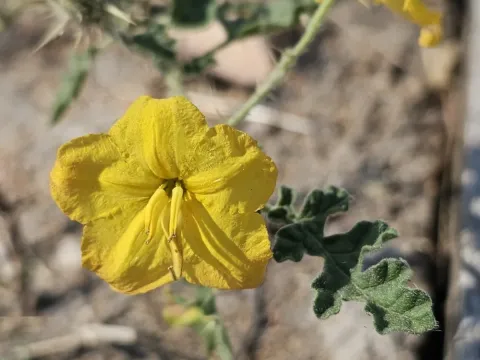
Narrow-leaf nightshade
Solanum angustifolium
Solanum angustifolium, commonly known as the narrow-leaf nightshade, is a plant species belonging to the diverse Solanaceae family, known for its unique chemical profile.
What the section contains
Narrow-leaf nightshade
Native to the South American continent, this crop thrives in warm climates where frost is absent, making it ideal for tropical and subtropical agricultural environments.
The plant requires well-drained, sandy loam soils rich in organic matter to support its rapid vegetative growth and extensive root system development during the season.
Regarding climatic needs, the crop demands high solar radiation levels to ensure the proper maturation of its specialized tissues and the synthesis of essential compounds.
Proper agronomic management involves implementing precise drip irrigation systems to maintain soil moisture consistency without causing root asphyxiation due to waterlogging.
Biological threats to Solanum angustifolium include various fungal pathogens such as Verticillium wilt and late blight, which can devastate entire fields if left unmanaged.
Insect pests, particularly Colorado potato beetles and various lepidopteran larvae, pose significant risks by consuming foliage and disrupting the plant's metabolic processes.
Effective pest control strategies often rely on a combination of biological control agents and carefully timed chemical interventions to maintain high yields.
Weed control is also critical during the early growth stages, as the plant does not compete well with vigorous invasive grasses that consume vital soil nutrients.
Crop rotation practices are essential to break the life cycle of soil-borne pathogens and to prevent the build-up of specialized pests in the cultivation area.