
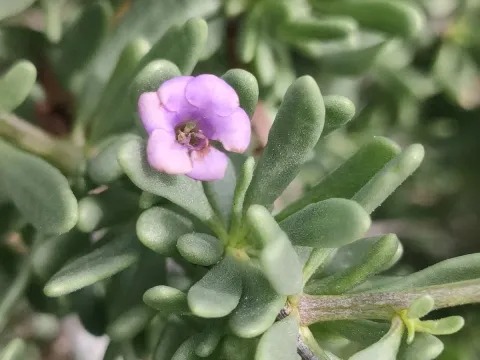
Lycium intricatum
Lycium intricatum
Lycium intricatum is a resilient perennial shrub belonging to the Solanaceae family. Known for its xerophytic nature, it has evolved to thrive in harsh, arid environments where other agricultural crops would fail to survive.
What the section contains
Lycium intricatum
The plant is native to arid zones in North Africa and parts of Southern Europe. Its botanical structure includes dense, tangled branches that often culminate in sharp thorns, providing effective protection against browsing animals in its natural habitat.
Regarding cultivation requirements, this species favors well-drained, sandy, or rocky soils. It is remarkably tolerant of saline soil conditions, making it an excellent candidate for land reclamation and soil stabilization projects in desertification-prone areas.
The plant requires full sun exposure to maintain its metabolic activities and ensure proper growth. It is highly efficient in water usage, thriving under conditions of low annual rainfall, which significantly reduces the need for irrigation systems.
Agronomic management should prioritize deep-root establishment during the initial growth phases. Once established, the plant requires minimal input, making it a low-maintenance crop suitable for sustainable land management practices.
While the species is hardy, it is susceptible to root rot if grown in poorly drained, waterlogged soils. As a member of the Solanaceae family, it may share susceptibility to various fungal pathogens common to nightshades, particularly those favoring humid conditions.
Pests such as spider mites and aphids may target the succulent leaves during the spring growing season. However, the presence of specific alkaloids in the plant tissues often acts as a natural deterrent against many generalist insect pests.
Viral infections transmitted by vectors can pose a significant challenge to plantation health. Implementing strict quarantine measures and monitoring for early symptoms of leaf curling or discoloration is essential for preserving the crop.
Regular sanitation, including the removal of dead or decaying wood, is critical to maintain air circulation. This practice helps prevent the accumulation of fungal spores and reduces the incidence of infectious diseases within the shrub canopy.
Integrating the plant into diversified ecosystems can help mitigate pest pressure. Avoid planting it in direct proximity to commercial solanaceous crops to prevent cross-contamination of specialized viruses or pests.