
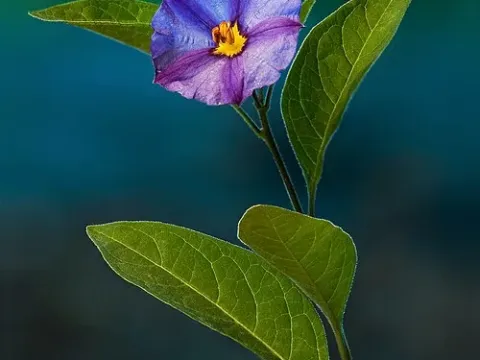
Lycianthes multiflora
Lycianthes multiflora
Lycianthes multiflora, a member of the Solanaceae family, is typically propagated from seeds. The sowing process should commence in early spring to take advantage of the increasing light levels.
What the section contains
Lycianthes multiflora
Using a well-draining, sterile potting mix is essential for successful germination. Seeds should be sown at a shallow depth and kept in a warm environment, ideally between 22°C and 25°C.
Maintaining high humidity during the initial germination phase is crucial. Once the seedlings have established two sets of true leaves, they can be transplanted into individual pots to support root development.
Acclimatization to ambient conditions should be gradual. Moving seedlings directly from a controlled greenhouse environment to the outdoors can cause transplant shock, slowing down initial growth.
Proper spacing during the seedling phase is vital to ensure adequate air circulation and to prevent the development of damping-off diseases, which are common in Solanaceous seedlings.
The plant thrives in bright, indirect light. While it prefers full sun in some climates, it benefits from light shade during the peak heat of the afternoon to prevent leaf scorching.
A fertile, loamy soil enriched with organic matter provides the best growing medium. The pH should be slightly acidic to neutral to ensure optimal nutrient availability for the plant.
Consistent moisture is required, but waterlogging must be avoided at all costs. The soil should remain moist but never soggy, as poor drainage is a leading cause of root distress in this species.
Temperature management is key for healthy growth. Lycianthes multiflora performs best when temperatures are kept above 18°C, and it should be protected from any frost exposure.
Regular fertilization with a balanced, water-soluble fertilizer during the active growing season will promote strong growth and support the characteristic flowering of the plant.
Spider mites and whiteflies are the primary pests affecting this species, particularly in greenhouse or indoor conditions where air circulation might be limited.
Root rot caused by overwatering is a significant threat. Ensuring a proper drainage system and allowing the top inch of soil to dry out between waterings is the best preventive measure.
Fungal issues, such as powdery mildew, can occur if the foliage remains wet for too long or if there is insufficient air movement around the plant.
Integrated pest management, including the use of neem oil or insecticidal soaps, is recommended for managing infestations without relying solely on heavy chemicals.
Keeping the growing area clean and removing any dead or decaying plant material helps prevent the buildup of pests and diseases that can compromise the plant's health.