
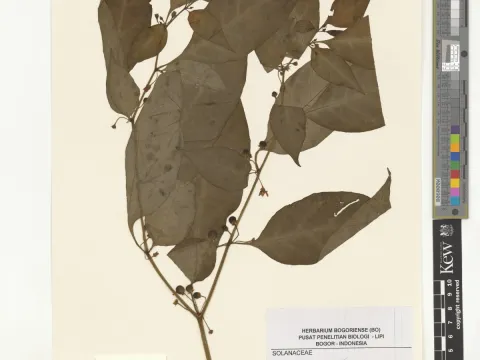
Lycianthes laevis
Lycianthes laevis
Lycianthes laevis is a perennial evergreen shrub belonging to the Solanaceae family. Originating from tropical and subtropical regions of the Americas, this species is noted for its smooth foliage and characteristic floral morphology common to nightshades.
What the section contains
Lycianthes laevis
Botanically, the plant features glossy leaves and star-shaped flowers that transition into small, decorative berries. Its growth habit is typically bushy, making it a suitable candidate for controlled environments like conservatories or botanical greenhouses.
The plant requires a warm climate with minimal temperature fluctuations to maintain vigorous growth. It is highly sensitive to frost, which limits its outdoor cultivation to frost-free regions or seasonal summer gardening in temperate climates.
Soil requirements focus on high organic content and excellent drainage. As a member of the Solanaceae, it prefers slightly acidic to neutral substrates and thrives when given adequate space for root expansion in well-aerated media.
Economically, Lycianthes laevis is primarily valued for its ornamental potential. It is frequently utilized in landscape design within tropical climates and as a specialized pot plant for interior decoration in regions where winter protection is necessary.
Common pests affecting Lycianthes laevis include whiteflies and spider mites, which are particularly prevalent in protected greenhouse environments. These pests thrive in dry air conditions and can cause significant foliage damage.
Fungal diseases are a primary concern, especially root rot caused by poor drainage or overwatering. Maintaining optimal moisture levels is essential to prevent the proliferation of soil-borne pathogens that compromise plant health.
Effective management includes integrated pest control strategies, such as using horticultural oils or systemic insecticides when outbreaks occur. Early detection through regular leaf inspection is vital for minimizing chemical reliance.
Disease prevention strategies prioritize proper spacing between plants to ensure adequate airflow. Removing dead or decaying plant material promptly helps reduce the risk of secondary infections within the growing area.
Proper sanitation of tools and pots is also recommended when managing large collections of this species. Consistent monitoring of environmental parameters ensures the plant maintains its natural resistance to common opportunistic pests.