
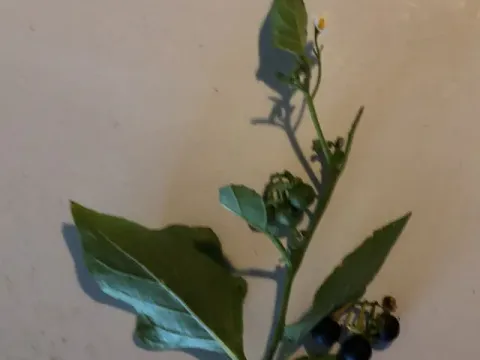
Lycianthes denticulata
Lycianthes denticulata
Lycianthes denticulata is a member of the Solanaceae family, requiring warm temperatures and high levels of sunlight for successful propagation. Sowing timing is strictly dictated by the climate, as the crop thrives only in frost-free environments where soil temperatures remain consistently above 18 degrees Celsius.
What the section contains
Lycianthes denticulata
In most agricultural settings, the process begins with seedling production in controlled greenhouse conditions. This ensures that the plants are sufficiently robust before they are transplanted into the open field, minimizing the risks associated with early-stage environmental stress.
The choice of substrate for sowing must prioritize drainage and aeration. Using a balanced mix of peat, perlite, and organic matter promotes healthy root development and prevents the common issues of damping-off that often plague sensitive Solanaceous species.
Spacing during the initial planting phase is vital. Crowding seedlings can lead to poor air circulation, creating a microclimate that encourages the growth of fungal pathogens. Proper management of planting density is a foundational aspect of successful crop establishment.
Supplemental lighting may be required if sowing occurs in seasons where day length is insufficient. Consistent exposure to light levels during the germination phase contributes to uniform plant growth and prevents the etiolation of the hypocotyl.
This crop requires full sun exposure to achieve its maximum yield potential. Even partial shade can lead to stunted growth and reduced fruit set, as the plant needs intense light to fuel its complex physiological processes during the reproductive stage.
Soil requirements for Lycianthes denticulata include well-draining, nutrient-rich loamy soil with a neutral pH. If the soil is too heavy, the addition of organic matter is necessary to improve structure and allow for adequate root oxygenation throughout the growing season.
Irrigation practices must be precise; while the plant requires consistent soil moisture, it is extremely sensitive to waterlogging. Implementing drip irrigation systems is the preferred method to deliver moisture directly to the root zone while keeping foliage dry, which helps prevent disease.
Nutrient management involves a balanced application of N-P-K fertilizers. During the vegetative phase, higher nitrogen levels promote leaf expansion, while a shift to phosphorus and potassium-rich formulas is essential as the plant transitions to flowering and fruit production.
Wind protection is another critical environmental factor. The stems of this plant can be brittle, and strong winds may cause mechanical damage to both the foliage and the fruit, leading to significant losses if not managed with proper site selection or windbreaks.
Common pests affecting Lycianthes denticulata include various species of aphids, whiteflies, and spider mites, which can cause significant damage by sap-sucking. Regular monitoring and the application of integrated pest management are necessary to control these populations.
Fungal diseases, particularly those affecting the roots, are a primary threat during periods of high humidity. Phytophthora and Pythium are common pathogens that can cause total crop failure if soil drainage is not properly maintained throughout the season.
Viral infections transmitted by insect vectors represent another significant challenge for this crop. Management strategies involve controlling the vector populations early and removing any host plants that may serve as reservoirs for viruses in the vicinity of the cultivation area.
In cases of severe infestation or disease outbreak, the use of targeted biological controls is encouraged to maintain ecological balance. This approach minimizes the residue on the harvest and supports the long-term health of the soil microbiome.
Crop rotation is a fundamental practice to prevent the build-up of soil-borne pathogens. Rotating Lycianthes denticulata with non-Solanaceous crops every few years significantly reduces the risk of repeated disease pressure on the same plot of land.