
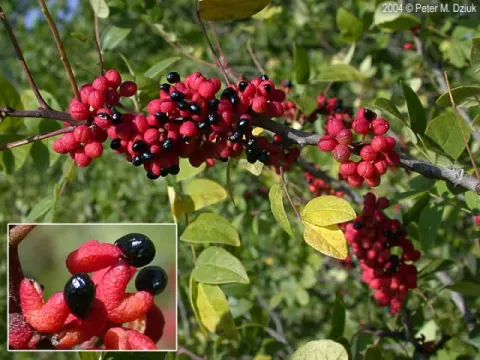
Green prickly ash
Zanthoxylum viride
Green prickly ash, a member of the Rutaceae family, is typically propagated through seeds or cuttings. Seeds exhibit deep dormancy and require a stratification process at temperatures between 0 and 5 degrees Celsius for several months before they can successfully germinate.
What the section contains
Green prickly ash
Sowing should take place in a controlled nursery environment or greenhouse in early spring. It is crucial to utilize a well-draining, lightweight substrate mix to avoid waterlogging, which is detrimental to the developing radicles of this species.
For vegetative propagation, semi-hardwood cuttings are harvested in mid-summer. These cuttings are treated with rooting hormones to improve survival rates and are then placed in a humid environment until roots are established.
Transplanting to a permanent location occurs once the plants are at least two years old and the threat of late frost has passed. Early irrigation is essential to ensure the root system adapts to the new soil environment.
Spacing is determined by the intended final use of the crop; however, providing 2 to 3 meters between individual trees is generally recommended to allow for proper canopy development and airflow.
This species thrives in sunny, well-lit locations. Exposure to sufficient sunlight is vital for the development of the essential oils that give the plant its characteristic aroma and flavour profile.
The soil should be fertile and light, preferably sandy loam with a neutral to slightly acidic pH level. Good soil drainage is the most critical factor for long-term survival, as the roots are highly sensitive to standing water.
Regular but moderate watering is required, especially during the first growing season. Once established, the plants demonstrate moderate drought tolerance, although peak summer heat may necessitate supplemental irrigation.
Fertilization with balanced mineral complexes in the spring helps support vegetative growth. Adding organic mulch around the base of the plant retains soil moisture and moderates temperature fluctuations in the root zone.
While the tree gains hardiness with age, young specimens benefit from winter protection in cooler climates. Proper site selection, avoiding frost-prone hollows, significantly enhances the success of the cultivation.
The economic value of Green prickly ash is derived from its aromatic leaves, berries, and bark, which are utilized in both the culinary and pharmaceutical industries. A steady yield is typically achievable starting from the fourth or fifth year.
Yield of foliage is maximized by regular pruning, which encourages the growth of fresh, tender stems that are the most valued for spice production. Selective pruning practices maintain the tree's health and productivity.
The harvest of berries occurs in late autumn when they reach full maturity. They require careful handling and controlled drying conditions to preserve their spicy, numbing qualities and volatile oil content.
Bark harvesting must be performed selectively and sparingly to avoid killing the tree or making it vulnerable to pathogens. It is best obtained as a byproduct of maintenance pruning rather than stripping the main trunk.
Overall annual productivity depends on site-specific climate conditions, soil fertility, and the age of the orchard. Proper orchard management practices are essential for consistent crop yields.
Aphids are the most common pests, frequently colonizing the tender new growth of the plant. If left untreated, they can lead to leaf deformation and stunt the overall development of the young trees.
Spider mites can become a significant issue, particularly in hot and dry environments. Regular inspection and maintaining appropriate humidity levels are effective preventive measures against infestation.
Fungal diseases, including leaf spots and root rots, represent the most severe threats. These are usually associated with poor drainage, overcrowding, or excessive humidity around the foliage.
Integrated pest management, including biological controls and targeted fungicides, is the recommended approach to maintaining a healthy crop while minimizing reliance on chemical treatments.
- Aphids
- Spider mites
- Leaf spot fungi
- Root rot
- Scale insects
Foliage is harvested throughout the summer months, focusing on healthy, mature leaves. Proper drying in shaded, well-ventilated areas ensures the retention of the plant's unique aromatic and culinary properties.
Berries are collected as they ripen, usually in late season. They should be dried thoroughly and stored in airtight containers to prevent moisture accumulation and the growth of spoilage-inducing fungi.
Bark is harvested during the active growing season. Only small amounts should be taken from secondary branches to ensure the tree maintains enough nutrient reserves to survive the winter and produce new growth.
Harvesters should follow a rotational schedule, ensuring that no single tree is harvested too heavily in consecutive seasons. This allows the tree to recover and maintain its overall vigour.
Storage of the finished product requires a cool, dry, and dark environment. Properly prepared Green prickly ash products can maintain their potency for up to two years when stored correctly.