
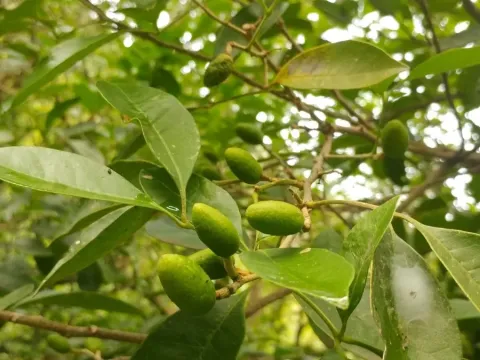
Gregg's Casimiroa
Casimiroa greggii
Gregg's Casimiroa (Casimiroa greggii) is an evergreen tree belonging to the Rutaceae family. It is a smaller relative of the common white sapote and is highly valued for its unique ability to thrive in semi-arid, mountainous environments.
What the section contains
Gregg's Casimiroa
Native to the northeastern regions of Mexico, this plant has adapted to temperate and subtropical climates. It displays a higher level of cold tolerance compared to other species in the genus, making it a viable candidate for gardening in non-tropical zones.
The tree requires well-drained soil to prevent root rot, which is a common threat to the health of Casimiroa species. Sandy loam soils with balanced organic content are considered optimal for consistent growth and yield.
Environmental requirements include full sun exposure for at least six to eight hours a day. While it can survive periodic droughts, supplementary irrigation during the fruit-set phase significantly improves both the quality and quantity of the harvest.
Routine care involves pruning to shape the tree, which facilitates easier maintenance and harvest. Applying organic mulch around the root zone helps retain moisture while suppressing weed competition in the early stages of growth.
The fruit of Gregg's Casimiroa is highly prized for its custard-like texture and sweet, complex flavor. Harvesting must be handled with extreme caution because the fruits are soft and bruise easily under pressure.
The harvest timing is determined by observing the color of the skin, which shifts from deep green to a lighter yellow-green. Once the fruit yields slightly to pressure, it is considered ready to be picked from the tree.
Post-harvest handling is critical due to the perishable nature of the produce. Fruits should be stored in ventilated containers and kept away from direct heat to ensure they reach the consumer in perfect condition.
Culinary applications for Gregg's Casimiroa include usage in fresh fruit salads, smoothies, and desserts. The fruit is rich in essential nutrients, often compared to the white sapote but with a more distinct, aromatic flavor profile.
Commercial interest is currently focused on niche markets where exotic tropical fruits are in high demand. Providing high-quality, undamaged produce allows growers to command premium prices for this unique botanical species.