
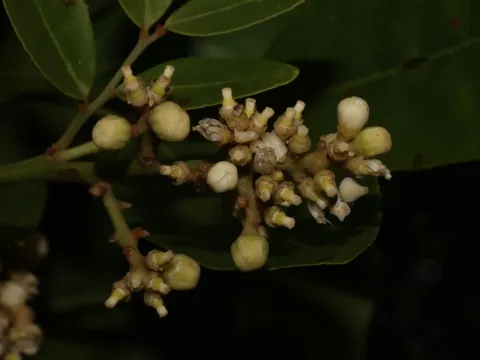
Glycosmis
Glycosmis
Propagation of Glycosmis is generally performed using fresh seeds, which should be planted promptly as they lose viability quickly. A well-draining, peat-based potting mix is recommended for successful germination.
What the section contains


Glycosmis
Seeds should be sown at a depth of about 1 cm and kept under high humidity conditions. Covering the tray with a clear plastic lid helps to create an effective greenhouse effect for the seedlings.
Optimal temperatures for germination range from 25 to 28 degrees Celsius. Constant warmth and consistent moisture are critical factors for achieving high sprout rates in this species.
Cuttings represent an alternative method, utilizing semi-hardwood stems collected during the active growing season. Applying a rooting hormone significantly improves the success rate of this technique.
Young plants should be transplanted into individual pots once they have developed a robust root system and a few sets of true leaves to ensure stable growth.
Glycosmis belongs to the Rutaceae family and naturally occurs in tropical Asian forests. It is an evergreen shrub or small tree that thrives in warm and humid environments.
The ideal soil for this crop is a nutrient-rich, loamy mixture with a slightly acidic to neutral pH. Adequate drainage is essential to prevent root zone suffocation and fungal outbreaks.
The plant prefers bright, indirect light. Prolonged exposure to intense direct sunlight can scorch the leaves, so shading during the peak hours of the day is often beneficial.
Regular irrigation is required to keep the soil consistently moist but never waterlogged. During winter months, it is necessary to reduce watering to accommodate the reduced metabolic activity of the plant.
Temperature management is vital, as the plant does not tolerate cold drafts or temperatures dropping significantly below 15 degrees Celsius. Maintaining high ambient humidity is also highly recommended.
The primary agricultural goal for Glycosmis cultivation is the harvesting of its small, edible berries. These fruits typically transition from green to a pale pink or orange color when ripe.
Harvesting is usually done by hand, selecting fruits that have reached full maturity to ensure optimal sweetness and flavor. Because berries ripen sequentially, multiple passes through the plantation may be needed.
Post-harvest, the fruits are highly perishable and should be handled with care to prevent bruising. They are often utilized in regional culinary traditions for flavoring sauces and desserts.
Managing tree shape through pruning can significantly improve harvest accessibility and overall yield efficiency. Proper maintenance of canopy structure ensures that fruits receive sufficient airflow.
Short-term storage in cool, ventilated conditions is necessary for market-bound produce. Processing the berries into jams or preserves is a viable strategy to manage seasonal supply surpluses.
Pests like spider mites and scale insects are the most common threats to Glycosmis. These pests thrive in dry conditions and can quickly infest foliage if not monitored regularly.
Root rot remains a major threat caused by poor soil drainage and excessive moisture. Using high-quality substrate and ensuring pot containers have drainage holes helps mitigate this risk.
Fungal leaf spot diseases may appear during periods of high humidity or poor ventilation. Systemic fungicides, when applied early, are effective in controlling the spread of these pathogens.
Integrated pest management, combining physical inspection and biological control agents, is recommended for sustainable production. Regular cleaning of leaves also helps keep the plant healthy.
Nutritional imbalances can lead to chlorosis, manifesting as yellowing leaves. Providing a balanced fertilizer regimen with essential micronutrients is key to preventing these deficiency-related health issues.