
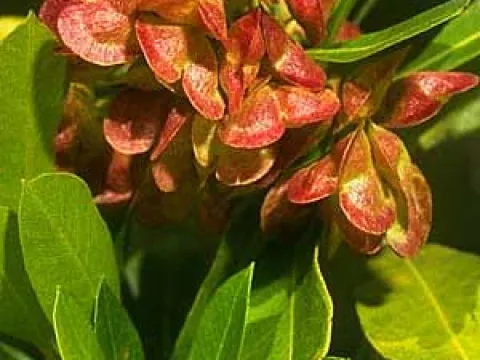
Hawaiian Zanthoxylum
Zanthoxylum hawaiiense
Hawaiian Zanthoxylum (Zanthoxylum hawaiiense), locally referred to as ae, is a distinct species within the Rutaceae family. It is a rare, woody plant native to the dry and mesic forests of the Hawaiian Islands, exhibiting slow growth rates.
What the section contains
Hawaiian Zanthoxylum
The species thrives in well-draining, rocky to volcanic soils. In agricultural settings, ensuring a soil profile that prevents waterlogging is essential, as the species is adapted to habitats with high natural drainage.
The climate requirements involve mild, tropical conditions. While the tree shows some tolerance to dry periods, consistent moisture is necessary during the juvenile growth stage to establish a robust root system.
Optimal growth is observed in full to partial sun exposure. The plant requires a location that provides ample light intensity while being sheltered from extreme, persistent wind gusts common in island environments.
Botanically, it is recognized by its aromatic compound leaves and woody stems that may feature thorns. Its biological cycle is closely tied to the specific microclimates of Hawaiian dry forest ecosystems.
The primary threats to Zanthoxylum hawaiiense include habitat loss and the proliferation of invasive alien species. Grazing by feral ungulates causes severe damage to bark and young saplings.
Disease pressure often arises from fungal pathogens, particularly those affecting the root collar, which are exacerbated by suboptimal drainage and lack of soil aeration.
Insects such as leaf miners and scale insects represent frequent threats in artificial cultivation, requiring integrated pest management strategies to protect the foliage.
Competition with fast-growing invasive weeds poses a significant hurdle for natural regeneration, necessitating intensive manual weeding during the initial planting phase.
Conservation status and monitoring are vital for this species, as its narrow endemic range makes it highly susceptible to localized extinction events caused by pests or climate shifts.