
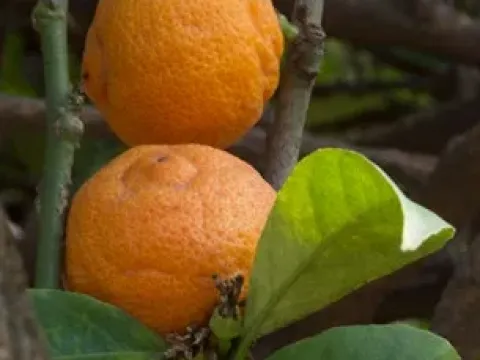
Indian wild orange
Citrus indica
The Indian wild orange (Citrus indica) belongs to the family Rutaceae. It is a rare, primitive species of citrus, often considered a crucial ancestor in the evolutionary history of the genus Citrus.
What the section contains
Indian wild orange
The species is native to the northeastern regions of India, specifically the foothills of the Himalayas. It thrives in humid tropical forest environments characterized by rich biodiversity and shaded conditions.
Botanically, this plant is an evergreen shrub or a small tree with a compact canopy. It possesses sharp thorns and produces small, rounded fruits with a distinct flavor profile that differentiates it from modern hybrids.
To cultivate this species successfully, growers must mimic its natural habitat. This involves providing well-drained, nutrient-rich soil and maintaining high ambient humidity levels throughout the growing season.
Economically, the plant is not a mainstream agricultural crop but holds immense value for research. It is a vital genetic resource for plant breeders working to improve disease resistance in commercial citrus varieties.
Like other members of the Rutaceae family, the Indian wild orange is susceptible to common pests such as aphids, scale insects, and citrus leaf miners.
Pathogenic fungi represent a significant threat to plant health, particularly in environments with poor air circulation where moisture tends to accumulate on the leaves.
The primary concern for the species is its conservation status, as habitat loss poses a direct threat to the few remaining wild populations in the Himalayan foothills.
Viral pathogens, including Citrus tristeza virus, remain a major risk factor if the plant is exposed to infected planting material or insect vectors.
Strategic management involves regular monitoring, manual removal of infected foliage, and preserving the species in specialized botanical garden collections.