
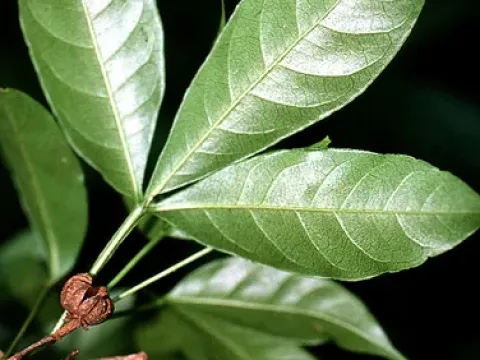
Galipea
Galipea
Galipea is a genus of trees and shrubs belonging to the Rutaceae family. Its most notable species is Galipea officinalis, a tree recognized for its bark, which is a key component in the production of aromatic bitters.
What the section contains

Galipea
The plant is native to the tropical regions of Central and South America. It thrives in humid tropical forest environments and requires consistently high temperatures without significant fluctuations, which typically restricts its open-field cultivation to tropical and subtropical zones.
This crop has specific soil requirements for optimal growth. The best results are achieved in fertile, well-draining loamy soils with a neutral to slightly acidic pH, where waterlogging at the root system is prevented.
In its natural habitat, Galipea develops as part of the forest understory; therefore, protecting the plants from intense direct sunlight and drying winds is crucial for successful cultivation. Diffused light or partial shading provides the ideal conditions for vegetative growth.
Management practices include regular irrigation and mulching the base of the tree to maintain soil moisture. Because the plant is sensitive to low temperatures, it is typically cultivated in greenhouses or containers in regions with distinct cold seasons.
The economic use of Galipea is primarily centered on the harvest of its bark, which contains unique alkaloids. Industrial extraction requires strict adherence to ecological standards to ensure the sustainability of the plantations and the health of the trees.
Yield depends heavily on the tree's maturity and growing conditions. While wild specimens in Latin American forests provide a traditional source, commercial farming allows for standardized quality and sustainable production cycles.
The primary target market for Galipea bark products includes the pharmaceutical and food and beverage industries, specifically for the production of tonic extracts and bitters. Growing market demand encourages the development of professional nurseries.
When propagated from seeds, the trees require several years to reach maturity, meaning bark production is a long-term investment. Professional care and regular monitoring of plant growth rates are essential for high-quality yields.
Efficiency in harvesting correlates with the intensity of vegetative growth. Under optimal conditions, annual bark biomass accumulation allows for periodic, cyclic harvesting that does not compromise the overall vitality of the mature tree.
The primary threats to Galipea are fungal root diseases, which often result from poor drainage or overwatering. Excessive moisture in the substrate promotes decay, leading to rapid deterioration of the plant's health and productivity.
Among pests, leaf-feeding insects, such as aphids and spider mites, pose the greatest risk, particularly in greenhouse environments. Regular phytosanitary inspections are necessary to detect early signs of infestation and prevent spreading.
Viral infections, often transmitted by insect vectors, can significantly stunt tree growth. Maintaining high plant vigor through balanced micronutrient fertilization is a critical component of integrated pest and disease management.
Improper pruning techniques can create entry points for pathogens. All pruning cuts should be treated with appropriate horticultural sealants or antiseptics to facilitate healing and prevent the entry of fungal spores.
Preventative strategies include maintaining adequate spacing between trees to ensure proper crown ventilation. Good airflow reduces the humidity around the foliage, which is the most effective measure for preventing most common fungal pathogens.