
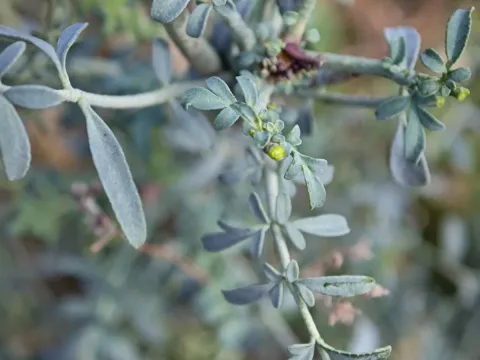
Fringed rue
Ruta angustifolia
Sowing of Fringed rue (Ruta angustifolia) is best performed in the spring when soil temperatures reach 12–15 degrees Celsius. In most regions, the ideal time for sowing in open ground is late April or early May to ensure plants establish well before the intense summer heat.
What the section contains
Fringed rue
For greenhouse or container production, seeds should be sown 6–8 weeks before the scheduled transplanting date. This method promotes a robust root system, significantly improving the survival rate of seedlings once they are transplanted into the main field.
Seeds require a shallow sowing depth of approximately 1 centimeter. Consistent moisture is essential during the germination phase; however, it is critical to avoid waterlogging, which can lead to seed decay and poor germination percentages.
For commercial cultivation, a row spacing of 45–60 centimeters is recommended. This configuration allows for efficient mechanical weed control and ensures adequate space for each plant to develop its full vegetative potential throughout the growing season.
Ruta angustifolia is a perennial semi-shrub belonging to the Rutaceae family. In its first year, the plant primarily develops a basal rosette. Active stem growth, flowering, and the development of the harvestable biomass occur mostly from the second year onwards.
This species is highly heliophilic, requiring full sun exposure to thrive. Sufficient sunlight is crucial for the synthesis of volatile oils, which define the plant's aromatic and medicinal value. Shade-grown plants tend to be leggy and produce lower quality foliage.
Ruta angustifolia prefers light, well-drained, and slightly alkaline or neutral soils. It is particularly well-suited to calcareous soils. The plant cannot tolerate poorly drained, heavy clay soils, which often lead to root rot and premature plant death.
Being native to Mediterranean-like climates, the plant exhibits significant drought tolerance. Nevertheless, for optimal biomass yield, regular irrigation during the peak growth period is beneficial, especially if the season experiences prolonged dry spells.
Protection from strong, cold winds is advisable, especially in areas with harsh winters. Choosing a site sheltered by windbreaks or buildings can help the plant survive temperature drops and prevent physical damage to its stems during the vegetative cycle.
Fertilization should be managed carefully. Excess nitrogen promotes rapid vegetative growth, which can dilute the concentration of secondary metabolites and essential oils. A balanced potassium-phosphorus fertilizer is generally preferred for this crop.
Fringed rue is naturally resistant to many pests due to its high content of essential oils and other bioactive compounds. However, aphids can occasionally infest the plant, particularly in young, tender shoots where they feed on sap.
The most significant threat to Ruta angustifolia is root rot, typically caused by excessive soil moisture or poor drainage conditions. Early identification through monitoring for leaf wilting is necessary to prevent the spread of soil-borne pathogens.
In conditions of high humidity, powdery mildew may develop, appearing as a white dusting on the foliage. To mitigate this risk, it is essential to ensure adequate airflow within the crop stand through proper spacing and regular weeding.
Crop rotation is a standard practice to manage disease pressure. It is recommended to avoid planting Fringed rue in the same location for more than four to five years to prevent the buildup of species-specific soil pathogens and pests.
Since the plant is often utilized for pharmaceutical and culinary purposes, chemical pesticide usage should be minimized. Integrated pest management, focusing on biological controls and good cultural practices, is the most sustainable approach for this crop.
The optimal time for harvest is at the onset of mass flowering, when the concentration of essential oils and active components is at its peak. This stage ensures the highest quality of the final product for both herbal and culinary use.
Harvesting is performed by cutting the green shoots 10–15 centimeters above the soil line. It is important to perform the harvest on a dry day to prevent mold development during the post-harvest drying process and ensure stability.
Post-harvest, the foliage must be transported quickly to a drying facility. Drying should occur in a shaded, well-ventilated area at temperatures not exceeding 40 degrees Celsius to avoid the loss of volatile aromatic compounds.
Once dried, the leaves and flowers are separated from the coarser stems. The final product should be stored in airtight, light-proof containers to preserve its aroma, potency, and chemical composition for up to a year of storage.
Fringed rue is valued for its antispasmodic properties in pharmacology and its unique pungent flavor in culinary applications. Proper harvesting and drying techniques are essential to maintain the commercial and therapeutic quality of the harvest.