
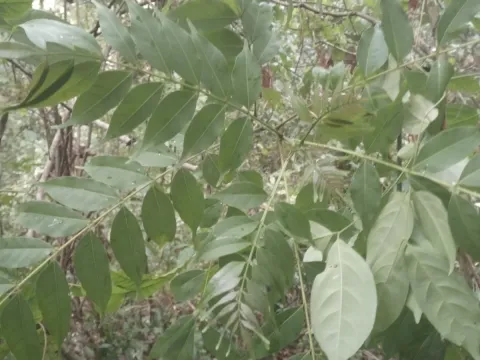
Zanthoxylum leprieurii
Zanthoxylum leprieurii
Zanthoxylum leprieurii is a member of the Rutaceae family, known for its aromatic properties and structural characteristics as a woody shrub or small tree.
What the section contains
Zanthoxylum leprieurii
Native to the tropical regions of Africa, this plant thrives in environments that provide consistent warmth and high humidity, which are essential for its physiological processes.
The cultivation requirements emphasize well-drained, nutrient-rich soils. It is imperative to maintain a stable soil structure to support the rapid development of the root system during the initial growth phase.
Climate management is crucial; the plant is strictly tropical and cannot withstand frost or significant temperature drops, which can lead to metabolic failure.
In terms of agricultural utility, the plant is primarily harvested for its essential oil content, which finds applications in the chemical and food industries as a flavoring and medicinal ingredient.
Common threats to Zanthoxylum leprieurii include fungal pathogens that attack the foliage under conditions of excessive humidity and poor canopy ventilation.
Pest pressure is frequently observed from scale insects and spider mites, which can significantly reduce the photosynthetic capacity of the plants.
Implementation of a systematic monitoring program is necessary to identify early signs of nutrient deficiency or localized pest infestations.
Cultural control methods, such as periodic pruning and balanced fertilization, are highly effective in maintaining the overall health and vigor of the crop.
In cases of severe infestation, integrated pest management strategies are recommended to preserve the quality of the raw material derived from the plant.