
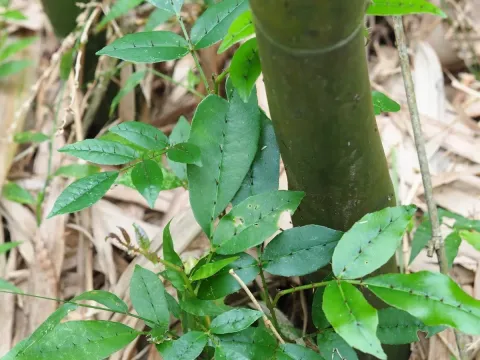
Zanthoxylum nitidum
Zanthoxylum nitidum
Zanthoxylum nitidum is typically propagated through seeds or semi-hardwood cuttings. Seeds require a period of stratification in cool, moist conditions to break dormancy and ensure uniform germination.
What the section contains
Zanthoxylum nitidum
The sowing season begins in early spring. Seeds should be planted in a well-draining, nutrient-rich potting medium, kept at a constant temperature of approximately 18–22°C to facilitate growth.
Cuttings are usually taken in late summer. For successful propagation, rooting hormones are recommended, as the woody stems require specific moisture and light conditions to develop roots effectively.
Transplanting to the permanent field site should occur after the risk of frost has completely passed. Proper spacing is essential to allow for lateral growth and healthy development of the root system.
Young plants benefit from a sheltered environment initially, ensuring they are protected from intense heat or strong, dehydrating winds during the establishment phase.
As a member of the Rutaceae family, Zanthoxylum nitidum thrives in bright, sunny locations. Full sun exposure is critical for the development of its aromatic essential oils.
The plant prefers fertile, well-drained loamy soils. It is sensitive to waterlogging, so choosing a site with excellent drainage or implementing raised beds is highly recommended for agricultural production.
Regarding climate, this species prefers subtropical to warm temperate conditions. It does not tolerate prolonged sub-zero temperatures and may require winter protection in colder regions.
Water management is vital; while the plant is moderately drought-tolerant once established, it requires consistent moisture during the peak growing season to reach its full potential yield.
Nutrient levels should be managed through balanced organic fertilizers applied at the start of the growing season, which helps support the production of foliage and fruit.
The primary yield from Zanthoxylum nitidum includes its leaves, fruits, and roots, all of which are highly valued in traditional medicine and culinary applications.
Yield capacity matures over time, with significant harvests typically beginning after the third or fourth year. Regular pruning encourages bushiness and increases the harvestable surface area.
Fruits are harvested upon reaching physiological maturity. The drying process must be meticulously controlled to ensure that volatile oils, the core of the plant's value, are preserved.
Root harvesting requires careful planning as it involves the removal of the plant; therefore, it is usually managed as a final stage of the crop cycle or through selective thinning.
Market demand for the product is driven by the pharmaceutical and spice industries, making consistent quality control during the harvesting and post-harvest phases essential for profitability.
The plant possesses natural pest-repellent qualities due to its essential oil content, which significantly reduces the need for heavy pesticide usage during the cultivation cycle.
However, under poor growing conditions, such as high humidity and low airflow, the plants may become susceptible to spider mites, scales, or fungal leaf spot diseases.
Root rot is the most common threat if the soil remains waterlogged. Preventing this involves ensuring the soil composition has enough organic matter and sand for proper aeration.
Integrated pest management strategies, such as physical removal of pests or using horticultural soaps, are preferred over synthetic chemicals to maintain the organic integrity of the crop.
Maintaining proper distance between plants helps prevent the spread of soil-borne pathogens and ensures that every individual plant receives adequate sunlight and air circulation.
Harvest timing is critical and varies based on the desired part of the plant. Leaves are picked during active growth, while fruits are harvested once they change color.
Manual harvesting is the most common method for ensuring that only mature parts are selected. This selective process helps in maintaining the purity of the final product.
Post-harvest handling involves cleaning, drying, and sorting. Drying should be conducted in shaded, well-ventilated areas to prevent degradation of the active compounds by UV light.
Proper storage is essential; the harvested material should be kept in airtight containers away from humidity and direct sunlight to maintain its shelf life and potency.
Efficient supply chain management ensures that the dried product reaches processors in a stable state, maintaining the essential aromatic profile that defines this high-value crop.