
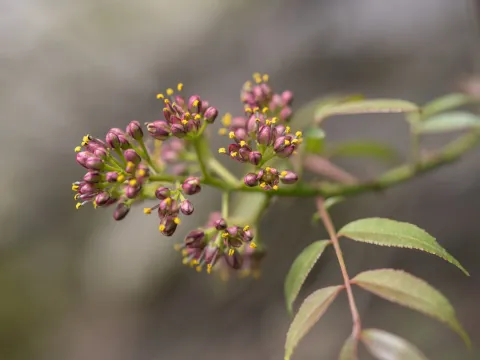
Zanthoxylum oxyphyllum
Zanthoxylum oxyphyllum
Zanthoxylum oxyphyllum is a woody perennial shrub or small tree belonging to the Rutaceae family. It is distinct for its sharp thorns and aromatic foliage, which are typical characteristics of the Zanthoxylum genus.
What the section contains
Zanthoxylum oxyphyllum
This species is native to the subtropical regions of Asia, primarily found in high-altitude forest ecosystems. It thrives in humid conditions and requires a growing environment that mimics its natural montane habitat to reach its full potential.
Cultivation demands well-drained, fertile soil with a slightly acidic to neutral pH. It does not tolerate waterlogging, so soil preparation must include measures to improve drainage if the substrate is too heavy or compacted.
The plant requires ample sunlight for optimal fruit and seed production but can tolerate partial shade during early growth stages. Consistent temperature management is crucial, as the species is sensitive to extreme frost, which can damage the stems.
Economic importance focuses on the culinary and traditional medicinal use of its berries. The oil-rich pericarp is harvested for its pungent flavor and numbing effect, making it a valuable specialty crop for international spice markets.
Common pests affecting Zanthoxylum species include scale insects, aphids, and spider mites, particularly in greenhouse or indoor environments. These pests can significantly weaken the plant if left unchecked.
Pathogenic threats are primarily fungal in nature. Root rot is a significant risk in poorly drained soils, while powdery mildew can occur if there is a lack of air circulation around the thorny branches.
Integrated pest management (IPM) strategies are highly recommended to control populations of harmful insects without relying exclusively on harsh chemicals, preserving the organic quality of the harvested product.
Regular monitoring of the canopy is essential, as the dense structure and thorns provide hiding places for many pests. Pruning is a vital practice not only for shaping but also for improving airflow to minimize moisture retention.
Maintaining high plant hygiene, including the removal of fallen leaves and infected debris, prevents the overwintering of spores and insects, ensuring the longevity and health of the plantation.