
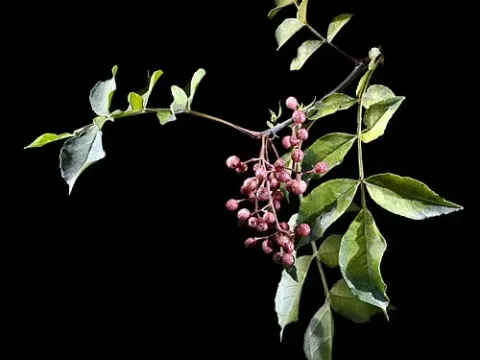
Zanthoxylum lemairei
Zanthoxylum lemairei
Zanthoxylum lemairei is a distinct tree species belonging to the Rutaceae family, renowned for its ecological adaptation to tropical environments. It serves as a significant biological entity within its native African habitats.
What the section contains
Zanthoxylum lemairei
The origin of this species is linked to the dense tropical forests of Central and West Africa. It thrives in regions characterized by high annual precipitation and consistent tropical temperatures, avoiding areas prone to extreme frost.
To ensure optimal development, the tree requires fertile, well-drained soils. Loamy textures with high organic content are considered ideal, while waterlogging must be strictly avoided to prevent root damage.
The agrotechnical management involves regular thinning to allow canopy expansion and the protection of juvenile plants from harsh, direct winds. Given its prickly nature, proper spacing is essential to facilitate future management and harvesting tasks.
Economically, Zanthoxylum lemairei is primarily valued for its durable wood. Furthermore, it is incorporated into reforestation projects and agroforestry systems due to its ability to contribute to soil stability and local ecosystem restoration.
The primary threats to Zanthoxylum lemairei include fungal pathogens that typically emerge in humid environments with poor drainage, often affecting the lower parts of the trunk and root collar.
Wood-boring insects, specifically coleopterans, represent the most significant threat to the commercial value of the timber, as they tunnel through the wood and compromise its structural integrity.
Foliage-feeding pests and sap-sucking insects can cause extensive damage during the early growth stages, leading to severe defoliation and reduced photosynthetic capacity.
Effective management requires an integrated pest management strategy, including the monitoring of the crop canopy and the application of sanitation protocols to remove dead or diseased wood.
Environmental stress, such as prolonged drought or extreme nutrient deficiency, can further exacerbate susceptibility to secondary infections, requiring precise irrigation and fertilization schedules.