
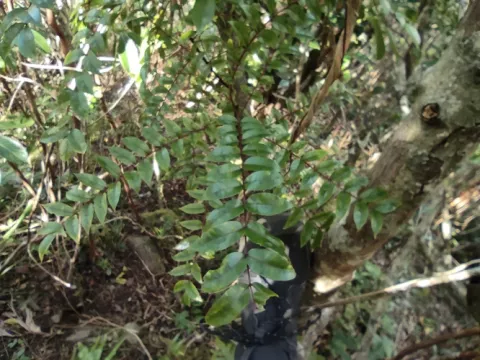
Zanthoxylum heterophyllum
Zanthoxylum heterophyllum
Zanthoxylum heterophyllum is a perennial woody plant belonging to the Rutaceae family, often recognized for its aromatic properties and potential in spice production.
What the section contains
Zanthoxylum heterophyllum
Propagation is typically achieved through seeds, which require stratification to break dormancy and ensure uniform germination across the crop.
The sowing season begins in early spring, utilizing well-draining, lightweight potting media to prevent seed rot during the initial stages of growth.
Seeds are placed at a shallow depth, covered with a fine layer of vermiculite or peat, and maintained at a temperature range of 20 to 25 degrees Celsius.
Seedlings are transferred to individual pots once they reach the two-leaf stage, allowing for the development of a robust root system before transplanting.
This species flourishes in tropical and subtropical environments, necessitating consistent warmth and protection from frost to maintain healthy plant development.
Soil quality is paramount; Zanthoxylum heterophyllum demands high aeration and a slightly acidic to neutral pH for optimal nutrient uptake.
Sunlight exposure should be substantial, as the plant requires bright, filtered light to facilitate the metabolic processes necessary for essential oil synthesis.
Water management involves maintaining moderate soil moisture, ensuring that the substrate dries out between watering intervals to prevent anaerobic conditions.
Fertilization regimes should be balanced, focusing on nitrogen-rich fertilizers during the vegetative phase and phosphorus-rich sources prior to flowering.
The primary threats to this culture include common greenhouse pests such as scale insects, aphids, and spider mites, which can sap plant vitality.
Fungal pathogens represent a significant risk, particularly root rot, which typically arises from poor drainage or excessive atmospheric humidity.
Effective management strategies incorporate both biological controls and targeted applications of systemic insecticides to manage pest outbreaks effectively.
Cultural practices, such as proper pruning and plant spacing, are essential to improve airflow and reduce the humidity levels that favor fungal growth.
Regular monitoring for symptoms of disease or pest activity is crucial to implementing timely interventions that protect the overall yield quality.
Harvesting of Zanthoxylum heterophyllum focuses on the fruit, bark, and foliage, which are harvested based on their peak aromatic concentration.
The fruits are typically picked when they transition to their mature coloration, indicating the highest levels of volatile compounds and oils.
Post-harvest processing involves air-drying the harvested parts in shaded, well-ventilated areas to prevent the degradation of heat-sensitive aromatic oils.
The dried material serves as a culinary spice, valued for its unique numbing sensation and citrus-like profile, as well as an ingredient in medicinal teas.
Proper storage is essential; the harvested product must be kept in airtight, light-resistant containers to retain its potency and flavor profile for long-term use.