
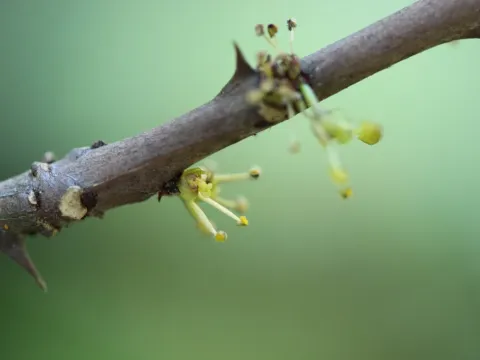
Zanthoxylum parvum
Zanthoxylum parvum
Zanthoxylum parvum seeds require specialized pre-sowing treatment to overcome dormancy, often involving cold stratification.
What the section contains
Zanthoxylum parvum
Sowing in a controlled greenhouse environment is recommended to monitor moisture and temperature levels precisely during the germination stage.
The optimal sowing depth is relatively shallow, typically around 1 to 1.5 centimeters to ensure the small seeds can emerge effectively.
Spacing between plants should be sufficient to allow for future crown development and to facilitate air circulation.
Spring sowing is ideal, ensuring that the seedlings gain enough strength before the onset of the first autumn cold waves.
As a member of the Rutaceae family, this species thrives in locations with abundant sunlight and protection from heavy frost.
Well-drained soil is a non-negotiable requirement, as the root system is highly sensitive to waterlogging and anaerobic conditions.
The ideal soil profile should be neutral or slightly acidic, rich in minerals, and maintained with moderate organic matter content.
In terms of moisture, a balance is needed; while the plant is somewhat hardy, consistent irrigation is vital during the peak growing season.
Temperature management is key, as extreme fluctuations can cause stress and inhibit the typical growth cycle of the shrub.
The yield of Zanthoxylum parvum depends on the age of the shrubs, with maturity typically reached after several years of growth.
Harvesting the aromatic parts of the plant involves careful manual labor to ensure the quality of the raw material is maintained.
Proper pruning techniques are essential to maximize yield by encouraging the growth of new, productive shoots each season.
In commercial settings, optimizing nutrition through soil analysis significantly boosts the total weight of the harvested product.
Regular maintenance, including thinning and weed control, directly correlates with higher yields and cleaner raw botanical materials.
Aphids and scale insects are the most common pests, often clustering on the undersides of leaves and along young stems.
Fungal infections, particularly root rot, present a significant risk if the soil structure fails to provide adequate drainage.
Early detection through weekly monitoring of leaf health is the most effective way to prevent widespread infestation or disease.
Integrated pest management strategies should be applied to minimize the need for heavy chemical intervention near the time of harvest.
Ensuring adequate distance between plants reduces humidity trapped in the foliage, thereby lowering the probability of fungal spores spreading.