
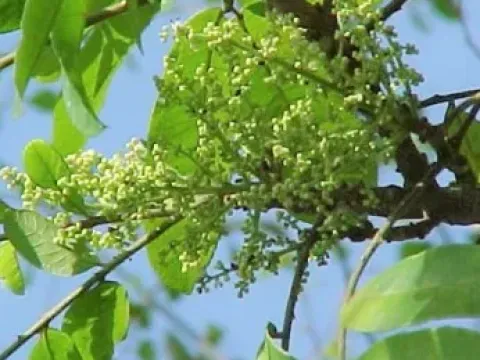
Zanthoxylum martinicense
Zanthoxylum martinicense
Propagation of Zanthoxylum martinicense is primarily achieved through seed sowing, which requires careful preparation of the growing medium to ensure optimal moisture.
What the section contains
Zanthoxylum martinicense
Seeds should be cleaned of their pericarp to remove natural growth inhibitors, which significantly increases the overall germination rate and speeds up development.
Seedlings are best transplanted to the field at the onset of the rainy season, allowing the root system to establish itself before the arrival of dry spells.
Spacing should be calculated based on the intended use, typically ranging from 3 to 5 meters to provide enough room for the crown to develop fully.
Young plants require partial shade during their first months to prevent foliage scorching, after which they can be gradually exposed to full sunlight.
As a member of the Rutaceae family, Zanthoxylum martinicense is native to the Caribbean and South America, thriving in warm, tropical climates.
The tree prefers well-drained, fertile, and loamy soils; it is highly sensitive to waterlogged conditions which can lead to root rot and premature decay.
Ideal growth temperatures range between +22°C and +28°C, and the species does not tolerate frost or cold, drying winds that can damage young shoots.
Ample sunlight is essential for healthy development, as the species is intolerant to dense shade and requires exposure to flourish in competitive environments.
Regular maintenance, including organic fertilization and weed control, is necessary during the early stages of growth to ensure the plant outcompetes surrounding flora.
Zanthoxylum martinicense is commercially valued for its dense, durable wood, which is often used in high-quality carpentry and furniture manufacturing.
The timber possesses natural resistance to common wood-boring insects, making it a sustainable choice for long-term construction and exterior architectural projects.
Besides its timber value, the bark and leaves contain compounds of interest for the pharmaceutical and fragrance industries, adding to its economic potential.
Harvesting for high-quality lumber is generally feasible 15 to 25 years after planting, depending on soil fertility and the frequency of silvicultural care.
Integrated agroforestry systems allow for the cultivation of this species alongside other crops, maximizing the land use efficiency and improving overall output.
Root rot, induced by poor drainage and excessive moisture, represents the most significant phytopathological threat to the health of the trees.
Leaf-eating insects can cause significant damage during the peak growing season, potentially hindering the photosynthetic capacity of the plants.
Spider mite infestations are a common issue in arid conditions, which can lead to premature leaf drop and overall vigor decline if not managed correctly.
Mechanical injuries to the bark can invite opportunistic fungal pathogens, leading to the formation of cankers and structural weakness in the main trunk.
Effective management requires a combination of good site selection, regular health monitoring, and the removal of infected plant material to curb spread.