
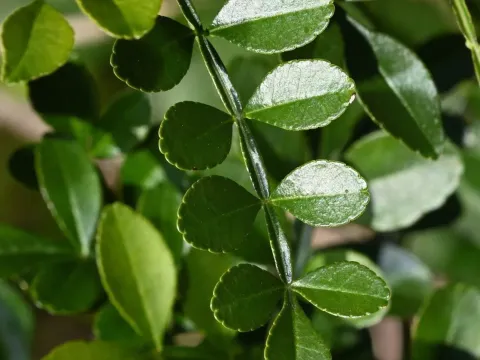
Zanthoxylum fagara
Zanthoxylum fagara
Zanthoxylum fagara is an evergreen shrub or small tree belonging to the Rutaceae family. Commonly known as the wild lime, it is botanically related to citrus species and features aromatic glands on its foliage.
What the section contains
Zanthoxylum fagara
The plant originates from tropical and subtropical regions of the Americas, thriving in environments ranging from coastal hammocks to dry thickets in Florida and the Caribbean.
It prefers well-drained soil conditions and thrives in full sun exposure. The species is highly adaptable to various soil types, provided that the drainage is efficient to prevent root asphyxiation.
In terms of climate requirements, this plant is sensitive to cold temperatures and frost. It requires a stable, warm environment to maintain consistent growth throughout the year.
Agronomic practices for this plant include pruning to manage its thorny structure, especially when used for hedge purposes, and providing supplementary irrigation during the establishment phase.
Typical pests affecting this species include aphids and scale insects, which can cause significant damage to young shoots if left unchecked in agricultural settings.
Root rot remains the most serious threat, occurring primarily in poorly drained soils or during periods of excessive rainfall, necessitating careful site selection.
Leaf spot pathogens can proliferate in conditions of high humidity and poor air circulation, reducing the aesthetic and medicinal value of the plant.
Integrated pest management strategies are recommended, focusing on maintaining plant vigor through proper fertilization and selective pruning of infested branches.
Regular sanitation measures, including the removal of leaf litter and dead wood, are essential to prevent the accumulation of inoculum for fungal diseases.