
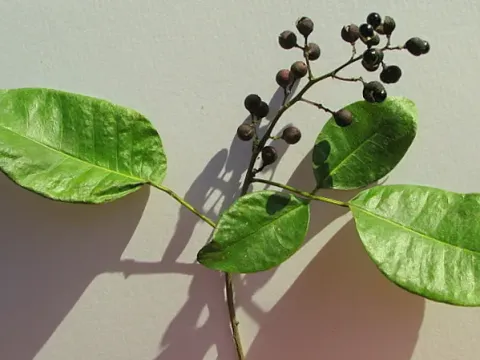
Zanthoxylum monogynum
Zanthoxylum monogynum
Sowing Zanthoxylum monogynum seeds requires specific pre-treatment, as seeds often exhibit dormancy that must be broken by cold stratification. Placing seeds in a moist medium at low temperatures for 60 to 90 days significantly improves germination rates.
What the section contains
Zanthoxylum monogynum
The optimal time for sowing is late winter, allowing the plants to establish a root system before the onset of the active spring growth phase. Seedbeds should be protected from extreme temperature fluctuations to ensure steady development.
Seeds should be covered with a thin layer of light, porous soil to maintain moisture without hindering the emergence of the sprout. Adequate drainage is essential during this stage to prevent the seed from rotting due to soil compaction.
Regular irrigation is vital during the germination period. Even a short period of dryness can kill the sensitive embryonic root, so utilizing professional misting systems or controlled greenhouse environments is highly recommended.
After the true leaves appear, seedlings can be thinned or transplanted into individual containers. Ensuring sufficient spacing between young plants is crucial for healthy air circulation and overall plant vigor.
Zanthoxylum monogynum thrives in regions with moderate climates, preferring sunny locations with protection from strong, drying winds. As a member of the Rutaceae family, it requires full sun exposure to maximize the production of essential oils.
The crop prefers fertile, well-draining soils with a slightly acidic to neutral pH. Avoid waterlogged conditions, as the root system is highly susceptible to hypoxia and subsequent rot in poorly aerated environments.
Climate requirements include a stable temperature range, avoiding severe frost which can cause damage to the woody tissues. In warmer climates, it exhibits excellent drought tolerance once established, though supplemental water is beneficial for yield.
Fertilization regimes should be balanced, focusing on nitrogen during the vegetative phase and phosphorus-potassium ratios during fruit set. Foliar feeding can also be used to correct minor nutrient deficiencies effectively.
Consistent pruning helps maintain the shape of the tree and encourages denser branching, which in turn leads to increased production of flowering nodes and ultimately, a higher crop yield per hectare.
Common pests include scale insects and aphids, which attach to the underside of leaves and young stems. These pests reduce plant vigor and can transmit viral infections if not managed promptly with appropriate insecticides.
Fungal diseases, such as root rot and leaf spot, are often associated with high humidity and poor site selection. Maintaining proper spacing and ensuring adequate soil drainage are the most effective preventative measures.
Mites can be particularly problematic during dry seasons, as they quickly reproduce under high-temperature conditions. Periodic scouting and the application of eco-friendly miticides help in keeping infestations under control.
Verticillium wilt is a more severe threat that impacts the vascular system of the tree, leading to sudden wilting. There is no cure for this, making prevention through strict nursery hygiene and healthy soil management paramount.
Regular maintenance of the plantation, including the removal of dead or diseased branches, is necessary to minimize the risk of pathogen spread throughout the orchard.
Harvesting Zanthoxylum monogynum is determined by the development of the fruits, which should be gathered when they reach their full maturity and peak aromatic concentration. This is usually observed when the outer coat shows its characteristic color.
Hand-picking is the standard method to ensure that only fully developed fruits are collected, minimizing damage to the foliage and the delicate flowering spurs that will produce next season's crop.
Post-harvest management involves immediate drying under controlled conditions to stabilize the volatile components within the fruit. Proper drying prevents the onset of mold and degradation of the essential oil profile.
Storage should take place in cool, dry, and dark conditions to maintain the quality of the harvested material. Hermetically sealed containers are ideal to prevent the loss of aromatic potency over time.
- Cleaning impurities
- Grading for quality
- Dehydration process
- Packaging and storage