
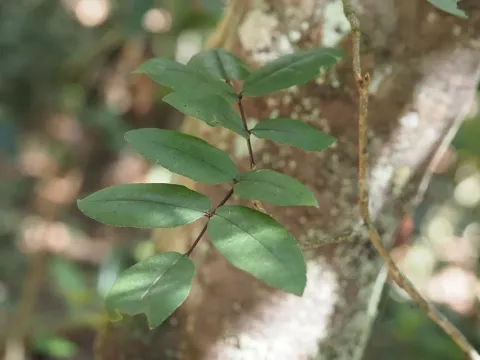
Zanthoxylum kauaense
Zanthoxylum kauaense
Zanthoxylum kauaense is a distinctive woody species belonging to the family Rutaceae. As an endemic plant to the Hawaiian Islands, it is primarily found in the native dry and moist forests where it has adapted to specific ecological niches.
What the section contains
Zanthoxylum kauaense
The plant thrives in well-draining, nutrient-rich soils often associated with volcanic origins. It requires a stable tropical climate with consistent temperatures and moderate rainfall to ensure proper development throughout its life cycle.
Botanically, this species is noted for its aromatic, compound leaves which are characteristic of the Zanthoxylum genus. These leaves contain various essential oils that provide a natural defense mechanism against herbivores.
Cultivation practices focus on mimicking its natural understory environment, providing dappled sunlight rather than harsh, direct exposure. Proper spacing is essential to ensure adequate air circulation and to prevent the accumulation of moisture near the foliage.
Historically, the wood of Zanthoxylum kauaense was highly valued by native Hawaiians for its density and durability, often utilized in the manufacturing of traditional tools and implements due to its mechanical strength.
The primary threats to Zanthoxylum kauaense include competition from invasive plant species that rapidly colonize its natural habitats. This competition often deprives the plant of necessary sunlight and soil nutrients.
Feral ungulates, particularly wild pigs, pose a severe risk to the species by trampling young seedlings and stripping the bark from mature trees, which weakens the overall structure and health of the specimen.
Pathogenic fungi represent a significant biological threat, especially in areas with stagnant air and high humidity. These infections can lead to root decay and vascular issues that are often fatal if not identified early.
Specific insect pests that target Rutaceae are known to cause defoliation, which reduces the plant's photosynthetic capacity. Integrated pest management strategies are often required to maintain the vitality of cultivated specimens.
Conservation efforts are currently focused on habitat restoration and the establishment of nursery populations to protect the species from further decline and ensure its survival in the face of environmental changes.