
Zanthoxylum monophyllum
Zanthoxylum monophyllum
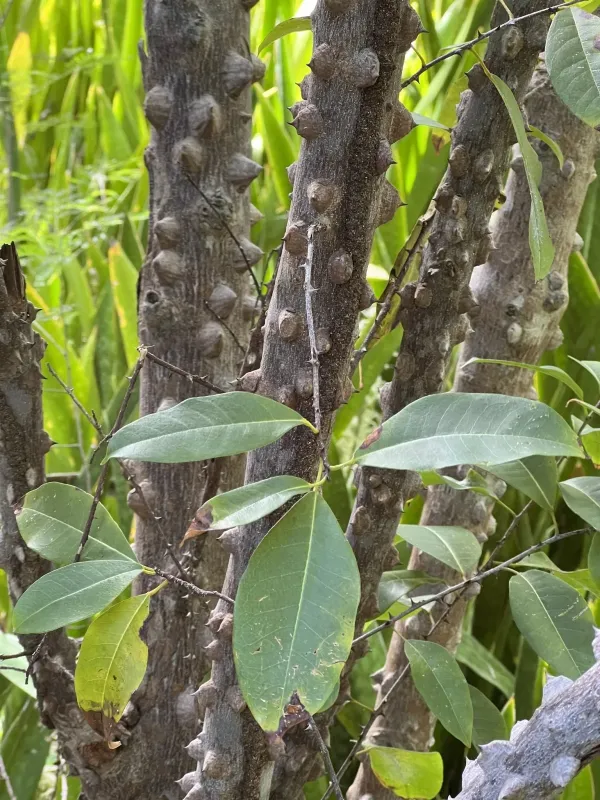
Description
Growing requirements
Zanthoxylum monophyllum is an evergreen tree species belonging to the Rutaceae family. Native to tropical regions of the Americas, this species is well-adapted to humid forest environments and rich, well-draining soils.
The plant thrives in warm, frost-free climates where temperatures remain consistently mild throughout the year. It prefers locations with full sun to partial shade, ensuring the foliage develops appropriately without scorching.
Agricultural success depends on providing a substrate rich in organic matter. While the tree is robust, it requires regular moisture during the growth phase but strictly avoids waterlogging, which often leads to root rot.
Botanically, it is recognized for its unique leaves and the presence of pungent essential oils. The bark and branches are frequently armored with sharp spines, serving as a defensive strategy against herbivores in the wild.
Economically, Zanthoxylum monophyllum is utilized for its high-quality timber and medicinal extracts. The plant's ability to produce aromatic compounds makes it a subject of interest in both local trade and pharmaceutical research.
Main diseases and pests
The primary threats to this crop include various fungal pathogens that flourish in high-humidity environments. Leaf spot diseases and root infections are common if air circulation within the canopy is insufficient.
Scale insects and mealybugs represent the most significant pest threats to the health of the tree. These sap-sucking insects can severely weaken the plant and facilitate the growth of sooty mold on the foliage.
Spider mites can become problematic during dry spells, causing leaf yellowing and premature abscission. Monitoring the foliage and maintaining adequate atmospheric humidity can help mitigate these infestations.
Systemic insecticides are generally required to manage persistent pest populations in intensive cultivation. These must be applied carefully according to local agricultural regulations to protect non-target beneficial insects.
Sanitation practices, such as removing fallen leaves and pruning dead or diseased branches, are essential for preventing the spread of pathogens. Maintaining a clean orchard environment is the most effective proactive defense against major threats.