
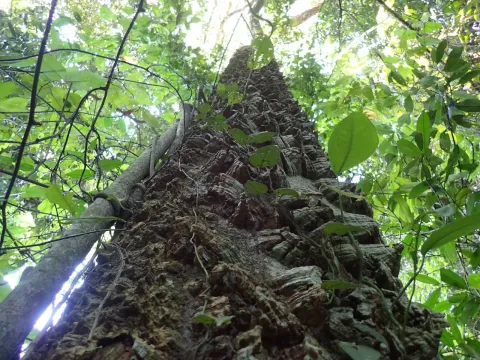
Zanthoxylum gilletii
Zanthoxylum gilletii
Zanthoxylum gilletii is a prominent tree species belonging to the Rutaceae family. Native to the tropical forests of Africa, it is highly valued for its straight, high-quality timber and rapid growth rate in optimal tropical environments.
What the section contains
Zanthoxylum gilletii
The cultivation of this species requires deep, fertile, and well-drained soils. It thrives in humid tropical climates characterized by high annual rainfall and consistent, stable temperatures throughout the growing season.
Regarding site selection, it is essential to avoid areas prone to waterlogging, as the root system of Zanthoxylum gilletii is highly sensitive to hypoxia. The plant performs best in environments that mirror its natural forest habitat.
Agrotechnical practices focus on early establishment and weed management. In the initial years, providing adequate light and preventing weed competition are critical for maximizing the tree's growth potential and stem straightness.
In terms of usage, the timber is sought after for furniture manufacturing and construction due to its durability and resistance. Furthermore, the species is significant in traditional medicine, where various extracts from the bark and leaves are utilized for their chemical properties.
Major threats to Zanthoxylum gilletii plantations include xylophagous insects that bore into the trunk, severely compromising the structural integrity and market value of the timber. Regular scouting is required to mitigate these infestations.
Fungal infections of the root system often occur in poorly drained plantations, leading to stunted growth or tree death. Proper soil management and the implementation of drainage systems are effective preventative measures.
Defoliating insects can negatively impact the photosynthetic capacity of young trees. Integrated Pest Management (IPM) practices, including biological control agents, should be prioritized over broad-spectrum chemical interventions.
Environmental stress, such as prolonged drought or extreme wind exposure, can weaken the trees, making them more susceptible to opportunistic pathogens. Strategic windbreaks can significantly improve plantation survival rates.
To ensure long-term productivity, growers must maintain strict nursery hygiene to prevent the introduction of pathogens. Monitoring plant health from the seedling stage through to harvest is essential for a successful forestry operation.