
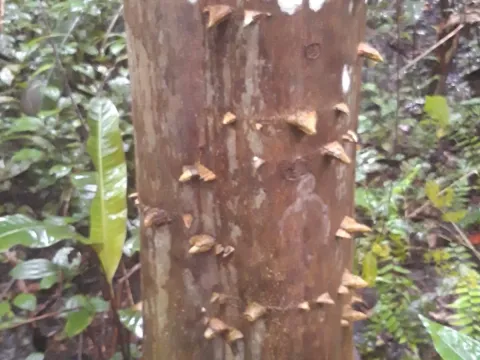
Zanthoxylum ekmanii
Zanthoxylum ekmanii
Propagation of Zanthoxylum ekmanii is primarily achieved through seeds or stem cuttings. Seeds often require a period of stratification to break dormancy and ensure uniform germination.
What the section contains
Zanthoxylum ekmanii
The ideal time for sowing is during early spring, when daylight hours increase and temperatures become consistent. This supports the vigorous early development of seedlings.
A high-quality, well-draining potting medium is essential for seed starting. The seeds should be sown shallowly and kept in a warm, humid environment to stimulate growth.
For cuttings, semi-hardwood stems are preferred. These should be taken from healthy, disease-free mother plants at the end of the active growing season to ensure optimal rooting success.
Once seedlings or rooted cuttings are established, they should be gradually acclimatized to external conditions before being planted in their permanent outdoor location.
As a member of the Rutaceae family, Zanthoxylum ekmanii flourishes in bright, sunny positions. It thrives in locations that receive ample direct light throughout the day.
The soil requirements focus on fertility and drainage. The plant performs best in slightly acidic to neutral soils that are rich in organic matter but do not retain excess water.
While the species is relatively hardy, it appreciates regular irrigation during dry spells. Careful water management prevents root stress and promotes healthy vegetative growth.
The plant prefers warm temperate climates and can be sensitive to severe frosts. In colder zones, it is advisable to provide winter protection to maintain the structural integrity of the plant.
Balanced fertilization during the growing season helps sustain the plant’s health. Micronutrient availability is also crucial for maintaining lush, dark green foliage throughout the summer.
Zanthoxylum ekmanii can be susceptible to common garden pests such as aphids, spider mites, and scale insects. These organisms thrive in sheltered, warm environments with poor air circulation.
Fungal diseases, including leaf spots and root rots, represent the most significant threat to plant health. These are frequently linked to overly wet soil conditions or high atmospheric humidity.
Effective management strategies involve monitoring the canopy and ensuring proper spacing between trees. Adequate spacing prevents the micro-climates that favor fungal growth.
- Monitor leaf undersides for early signs of pests.
- Ensure soil drainage systems are clear and operational.
- Prune branches to improve light penetration and airflow.
If chemical interventions are necessary, choosing systemic fungicides or eco-friendly insecticides is recommended to minimize impact on local pollinators and beneficial insects.