
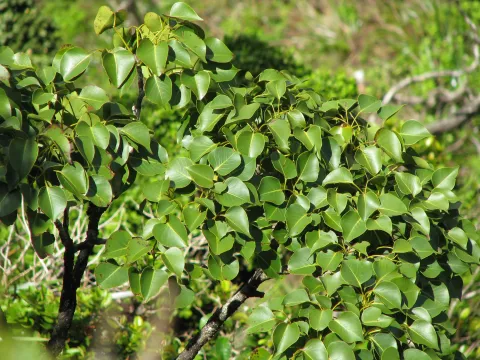
Zanthoxylum dipetalum
Zanthoxylum dipetalum
Propagation of Zanthoxylum dipetalum is primarily achieved through seeds in nursery settings. The seeds possess a hard seed coat and require stratification to improve germination rates significantly.
What the section contains
Zanthoxylum dipetalum
Sowing is conducted in a loose, well-draining medium in late winter or early spring. Maintaining an ambient temperature of approximately 20–22 degrees Celsius is essential for optimal sprout emergence.
Vegetative propagation via softwood cuttings is also possible during the active growing season. Cuttings should be placed in a humid environment with indirect light to ensure successful root development.
Young seedlings require partial shade during their initial growth stages to prevent desiccation. They are typically transplanted to their final location once the root system is well-established.
Spacing between plants should be carefully managed to ensure adequate air circulation, which prevents the development of fungal diseases as the canopy grows.
Zanthoxylum dipetalum, a member of the Rutaceae family, is endemic to the Hawaiian Islands. It thrives in tropical climates characterized by consistent levels of humidity and warm temperatures.
The plant requires fertile, well-draining soil rich in organic matter. A neutral to slightly acidic pH is ideal for promoting healthy nutrient uptake and sustained development.
As a light-demanding species, it requires exposure to full sun for the majority of the day to maintain a dense, healthy canopy and to encourage flowering.
While mature trees show moderate drought tolerance, consistent irrigation is necessary during the establishment phase and in prolonged dry seasons to maintain vigor.
This species is highly sensitive to frost and cold temperatures, restricting its outdoor cultivation to tropical zones or protected greenhouses in temperate climates.
The utilization of Zanthoxylum dipetalum is limited due to its status as a rare endemic species. Its leaves and bark are valued in traditional applications for their aromatic oil content.
Harvesting should be performed manually during periods of low sap activity. Extreme caution is advised due to the presence of sharp thorns found on the branches and trunk.
Collected foliage is dried in shaded, well-ventilated areas to preserve volatile compounds, ensuring that the botanical material maintains its medicinal or aromatic efficacy.
Bark harvesting must be selective and conservative, ensuring that no circular stripping occurs, as this would jeopardize the survival of the individual tree.
Products derived from this tree are typically marketed toward niche cosmetic and flavoring industries that prioritize unique botanical extracts from rare sources.
In its native range, the primary threats are invasive plant species and ungulates that disturb the natural habitat, leading to severe population decline for the species.
Under cultivation, the tree is susceptible to typical Rutaceae pests, including scale insects and mealybugs, which sap the vitality of the plant by feeding on leaves and stems.
Waterlogged soil conditions present a significant risk of root rot. Ensuring proper drainage is the most effective preventative measure against these soil-borne pathogens.
Spider mites can become a nuisance if the plant is grown in environments with low air humidity, necessitating regular monitoring and appropriate horticultural control measures.
Maintaining high hygiene standards by pruning infected material and ensuring appropriate airflow will significantly reduce the risk of disease outbreaks within a plant population.