
Esenbeckia
Esenbeckia
Esenbeckia is a genus of trees and shrubs belonging to the Rutaceae family, primarily native to the tropical regions of the Americas and the Caribbean. These plants are well-known in their natural habitats for their high-quality, dense timber and unique botanical characteristics.
What the section contains

Esenbeckia
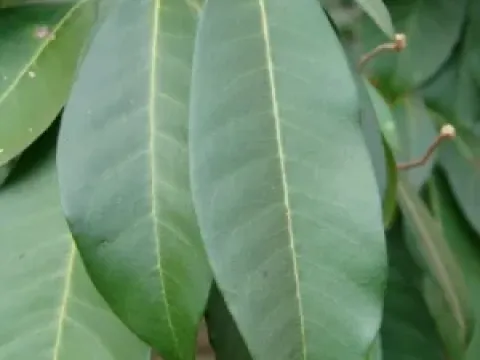
The genus is characterized by leathery, aromatic leaves and small flowers arranged in terminal or axillary panicles. These structural traits reflect the plant's adaptation to the competitive environment of tropical forests and savannas.
Regarding cultivation requirements, Esenbeckia species thrive in tropical climates with consistent temperatures and high annual rainfall. They prefer well-drained, nutrient-rich soils and do not tolerate waterlogging, which can be detrimental to their root development.
The primary economic use of Esenbeckia is for its wood, which is prized for its extreme durability and fine grain, often utilized in high-end cabinetry and tool handles. Additionally, scientific research focuses on the secondary metabolites, specifically alkaloids, found within various species of this genus.
Agrotechnical management involves careful selection of planting sites with adequate light exposure. In nursery settings, regular pruning is required to encourage straight trunk growth, which is essential for maximizing the timber quality of the wood produced by these trees.
Common threats to Esenbeckia populations include fungal infections, particularly root rots triggered by poor drainage. Furthermore, various tropical defoliating insects pose a threat to young plantations, necessitating integrated pest management strategies to maintain plant health.