
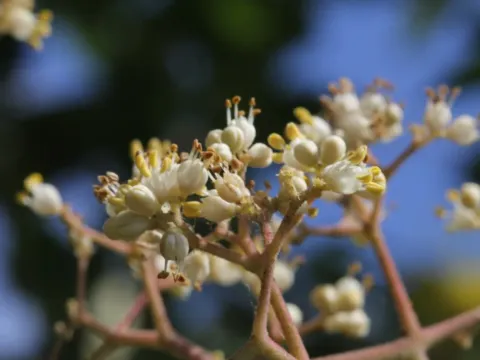
Evodia
Euodia
Evodia, commonly identified as Tetradium daniellii, is propagated primarily via seeds, which require cold stratification for successful germination.
What the section contains

Evodia
Seeds should be stratified in a refrigerator at temperatures between +1 and +5 degrees Celsius for approximately two to three months before sowing.
Spring sowing is conducted in April once the soil has warmed sufficiently, ensuring that seeds are placed at a depth of 1-2 centimeters in well-drained substrate.
For large-scale plantations, using nursery-grown saplings is the preferred method, with planting usually occurring in early spring before leaf emergence.
Proper spacing, generally 4x4 or 5x5 meters, is essential to allow for crown development, which directly impacts the tree's flowering capacity and honey yield.
Evodia thrives in full sun exposure and requires a location sheltered from strong prevailing winds to protect its branches from mechanical damage.
The ideal soil for this species is a nutrient-rich, well-drained loam or sandy loam with a neutral to slightly acidic pH level.
Although mature trees show moderate drought tolerance, young plants need consistent moisture supply during their first few years of establishment.
The plant is hardy to temperatures down to -20 degrees Celsius, but in colder zones, young trees benefit from wrapping or mulch to protect the bark.
Fertilization with a balanced NPK ratio in early spring encourages vigorous shoot growth and ensures an abundance of nectar-producing flowers during the summer.
The primary economic value of Evodia lies in its status as a superior melliferous tree, providing a massive nectar flow during mid-summer.
One hectare of established Evodia plantation can produce up to 400 kilograms of honey, making it an essential asset for commercial beekeeping operations.
The flowering period spans three to four weeks, bridging the summer gap when other major nectar sources have ceased blooming, which sustains bee colony vitality.
The honey harvested from Evodia is highly prized for its clarity, light color, and delicate, pleasant flavor profile, attracting premium market prices.
While known for honey, the tree's wood is also valued for fine carpentry due to its density, though its environmental and apicultural roles remain paramount.
Evodia is generally recognized for its robust nature and natural resistance to many common tree pathogens, reducing the need for chemical intervention.
Excessive soil moisture is the most common cause of root-related issues, making site selection and proper drainage the primary prevention strategies.
In the juvenile stage, trees may occasionally be attacked by aphids or spider mites, which can be managed with standard organic-based pest control methods.
Winter care is vital; shielding the trunk from sunscald and keeping rodents away using tree guards prevents bark damage that could lead to secondary infections.
Regular inspection during the growing season allows for early detection of potential stress indicators, ensuring long-term tree health and productivity.