
Fagara
Fagara
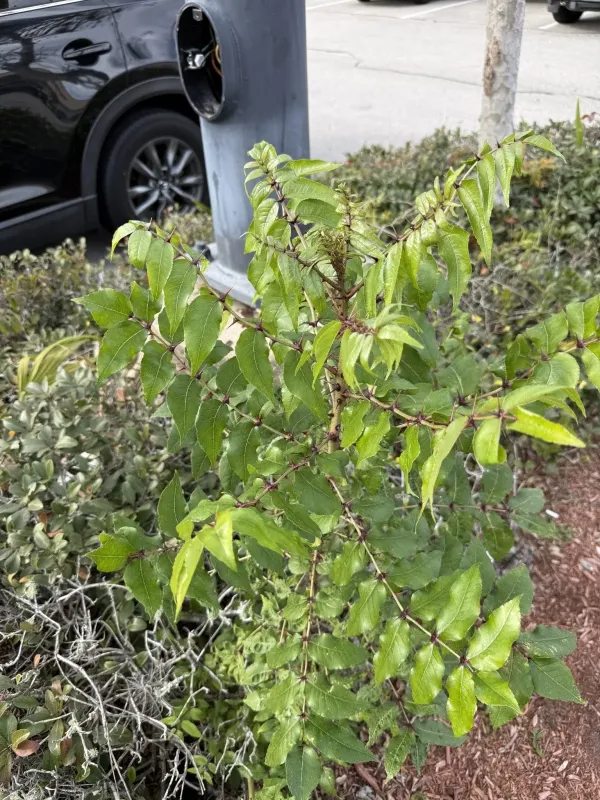
Description
Growing requirements
Fagara, a genus within the Rutaceae family, is widely recognized as the source of Sichuan pepper. These plants are essentially woody shrubs or small trees that thrive in specific climatic conditions.
The ideal soil for Fagara is well-drained, fertile, and slightly acidic. It is crucial to prevent waterlogging, as the roots are highly susceptible to decay in heavy, poorly aerated soils.
These plants require significant sunlight to develop high-quality fruit, though they can tolerate partial shade during early growth stages. Optimal temperatures range from moderate to warm, avoiding extreme frosts.
Agronomic practices include regular irrigation during the fruit-setting season and controlled fertilization. Nitrogen applications should be balanced to promote foliage growth without sacrificing flowering.
Wind protection is essential for young Fagara trees to prevent mechanical damage and branch breakage. Proper pruning is necessary to maintain an open canopy structure for efficient harvesting.
Yield
Production cycles for Fagara depend on environmental factors and genetic variety. Growers typically expect the first harvestable yield within three to four years after planting.
Fruit is harvested at maturity and subsequently dried to enhance the intensity of its peppery, citrus-like aroma. Proper drying is critical to maintaining high market value for the spice.
Yield efficiency is directly related to tree density and maintenance of soil fertility. Intensive orchard management practices can significantly increase the total biomass produced per hectare.
Beyond culinary use, the species is valuable in the essential oil industry. The chemical composition of the oil remains a focus for both local and international trade in agricultural products.
Post-harvest handling requires careful cleaning and drying to prevent mold growth. High-quality product storage conditions are necessary to maintain the shelf life and potency of the spice.
Main diseases and pests
Aphids represent a primary pest challenge for Fagara plantations, often causing leaf curling and reduced metabolic function. Integrated pest management should prioritize beneficial insects.
Fungal pathogens such as mildew can occur during periods of high humidity and poor airflow. Managing the density of the canopy is a preventative measure against these diseases.
Scale insects may colonize woody parts of the tree, potentially weakening the plant over several seasons. Regular monitoring and targeted applications of horticultural oils can control these populations.
Root rot is often a consequence of poor drainage and can lead to rapid decline. Selecting sites with natural slopes or implementing raised beds can mitigate this risk significantly.
Effective crop protection relies on early detection of infestations. Annual health inspections ensure the longevity and productivity of the orchard in diverse growing regions.