
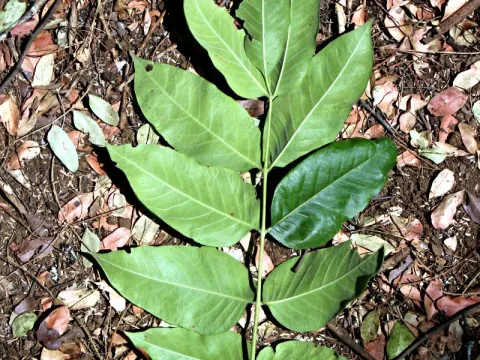
Fagaropsis
Fagaropsis
Fagaropsis is a genus of trees and shrubs belonging to the Rutaceae family. Native primarily to East Africa, these plants are known for their ecological adaptation to woodland and savanna environments. They are increasingly recognized in specialized forestry and silviculture practices.
What the section contains

Fagaropsis
Optimal growth requires well-drained soils and significant exposure to sunlight. The species thrives in environments where soil aeration is high, as the root systems are sensitive to prolonged waterlogging. Maintaining a proper soil pH level, typically ranging from neutral to slightly acidic, is essential.
Regarding climate, Fagaropsis is accustomed to regions with distinct wet and dry seasons. It possesses a moderate drought tolerance, allowing it to survive in areas where rainfall is seasonal, provided that the initial development phase is supported by sufficient water availability.
The botanical structure of the genus features compound leaves rich in volatile oils, which are characteristic of the citrus family. The trees typically exhibit a robust trunk development, which is the primary reason for their value in timber production systems and agroforestry projects.
Economically, the species is valued for its hard, durable wood, which possesses excellent working properties. It is often employed in the manufacturing of durable furniture, flooring, and structural components that require high resistance to decay and physical impact.
The primary threats to Fagaropsis populations in their native habitat include habitat loss due to land conversion and unsustainable harvesting practices. This has led to the need for managed reforestation and sustainable cultivation models to ensure long-term availability.
Pathogenic threats include fungal infections that target the roots and cambium, particularly in environments with poor air circulation or excessive moisture. These pathogens can cause significant dieback if not managed through proper spacing and sanitation practices.
Wood-boring insects, including various species of longhorn beetles and jewel beetles, represent a major threat to mature specimens. These pests compromise the structural integrity of the wood, rendering it less suitable for high-quality commercial use.
Competition from aggressive weeds and invasive shrub species can severely impact the survival rate of young seedlings. Intensive early-stage management, including weeding and thinning, is required to allow the young Fagaropsis trees to establish their canopy.
Ongoing monitoring of plantation health is crucial for controlling potential outbreaks. Implementing an integrated pest management strategy helps protect the plantation from insect damage while maintaining the overall health and productivity of the trees.