
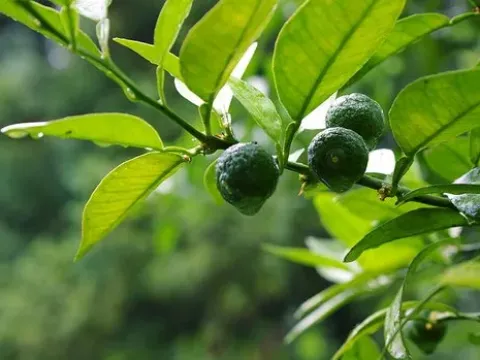
Sudachi
Citrus sudachi
Sudachi is typically propagated through grafting onto rootstocks such as Poncirus trifoliata, which provides resistance to soil-borne diseases and improves the overall vigor of the tree. This method ensures that the desirable characteristics of the parent plant are maintained.
What the section contains
Sudachi
While seed propagation is possible, it is rarely used for commercial production because of the extended juvenile period before the tree begins to flower and bear fruit. Seeds should be sown immediately after removal from the fruit into a sterile, well-draining potting mix.
The best time for grafting and transplanting young trees is early spring, just as the plant emerges from its winter dormancy. Successful grafting requires clean tools and high-quality scion wood to ensure the cambium layers align properly.
For container-grown specimens, annual repotting is recommended during the initial growth phase to provide fresh nutrients and space for root expansion. Using a high-quality citrus soil mix is essential for long-term health.
Pruning is an essential part of sudachi management. Regularly thinning out the canopy improves air circulation, reduces the risk of fungal infections, and promotes a stronger structure capable of supporting heavy fruit loads.
As a member of the Rutaceae family, Sudachi requires a humid, subtropical environment to thrive. It is native to Japan, specifically the Tokushima Prefecture, where the climate supports its unique development.
Sunlight is critical for the development of the fruit's complex flavor profile. These trees perform best when exposed to full sun for the majority of the day, which helps in the synthesis of volatile aromatic compounds.
Sudachi trees prefer slightly acidic, well-drained, and aerated soil. They are highly sensitive to waterlogged conditions, which can quickly lead to root rot; therefore, providing a robust drainage system is mandatory.
The ideal temperature for active growth ranges between 18°C and 28°C. While the plant shows some cold hardiness, surviving temperatures slightly below freezing for short durations, it must be protected from prolonged frost to prevent damage.
Irrigation should be consistent but moderated. It is important to allow the top inch of soil to dry out between waterings. Using chlorinated tap water should be avoided if possible, as citrus trees are sensitive to chlorine and high salinity levels.
Sudachi is primarily harvested while the fruit is still green and technically immature. At this stage, the fruit possesses the highest concentration of acidity and the most vibrant aroma, which are its most sought-after culinary qualities.
Grafted trees usually begin to produce fruit within 3 to 4 years of planting. The annual yield depends on environmental conditions, the size and health of the tree, and the quality of maintenance throughout the growing season.
Unlike many other citrus fruits, sudachi is rarely consumed fresh. Instead, it is highly valued for its juice and zest, which serve as essential flavor components in Japanese cuisine, particularly for seasoning seafood, mushrooms, and various sauces.
In commercial operations, fruits are carefully graded and sorted based on size and color consistency. High-quality fruit fetches a premium price in the culinary market due to its limited seasonality and unique taste profile.
Efficient orchard management, including optimized nutrient application and thinning, ensures that the harvested fruit meets the rigorous quality standards required for premium restaurant and culinary distribution.
Common pests affecting sudachi include citrus whiteflies, scale insects, and spider mites. These pests thrive in stagnant air and can cause significant leaf damage, weakening the tree over time if not addressed.
Fungal diseases, such as gummosis (phytophthora infection), are a significant risk. This is often indicated by the oozing of sap from the bark and is usually associated with poor soil drainage or physical damage to the trunk.
Proactive monitoring is the best defense. Growers should regularly inspect the undersides of leaves and the trunk for signs of infestation or infection to allow for early intervention using appropriate organic or systemic pesticides.
Sanitation is key; removing dead or diseased branches helps minimize the disease burden. Proper spacing between trees in an orchard setting also facilitates better airflow, reducing the humidity levels that favor fungal growth.
Viral diseases like Tristeza can be devastating, as there is no cure once a tree is infected. Using certified, virus-free nursery stock is the most important preventive measure for any new planting project.
Harvesting is performed manually to protect the delicate peel of the fruit. Even minor skin abrasions during the harvest can lead to rapid deterioration and decreased shelf life, making careful handling a priority.
Clippers should be used to cut the fruit, leaving a very short length of stem attached. This prevents the peel from tearing, which can otherwise expose the fruit to pathogens during storage.
Immediately after harvest, fruits should be cooled to slow down the respiration rate. Ideal storage conditions require high humidity and temperatures around 4°C to 8°C to maintain the integrity of the essential oils.
Sorting and packing should take place in a climate-controlled environment to maintain freshness. Fruits are packed in ventilated containers to prevent moisture build-up and decay during transport.
Because sudachi is prized for its fragrance, it is essential to keep the fruit away from strong odors and direct sunlight during transport to ensure the quality remains at its peak until it reaches the end user.