
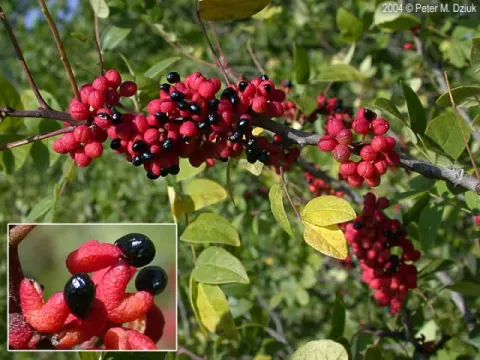
Small-leaved Zanthoxylum
Zanthoxylum parvifolium
Small-leaved Zanthoxylum (Zanthoxylum parvifolium) is a perennial woody plant belonging to the Rutaceae family. It is recognized for its aromatic foliage and unique biological structure, often utilized in specialized agricultural sectors for the extraction of essential oils.
What the section contains
Small-leaved Zanthoxylum
The crop originates from warm-climate regions and requires a frost-free environment for optimal development. In cooler regions, it is recommended to cultivate the plant in greenhouses or specialized containers where the temperature remains consistently above 15 degrees Celsius.
The soil requirements for Zanthoxylum include excellent drainage and a neutral to slightly acidic pH level. A heavy, clay-rich soil is detrimental to the plant as it restricts root respiration and increases the risk of fungal proliferation.
Agronomic management involves periodic pruning to maintain the shape of the plant and to stimulate the growth of young branches where essential oil concentration is highest. Regular irrigation is necessary, though water levels must be balanced to prevent dehydration or waterlogging.
The economic value of this species lies in its secondary metabolites. These compounds are used in the production of high-quality culinary spices and natural flavoring agents, making the crop a valuable asset for niche agricultural operations focusing on high-value essential crops.
The primary threats to Zanthoxylum parvifolium include spider mites and scale insects, especially when the plant is grown under glasshouse conditions with limited ventilation.
Root rot caused by Phytophthora species can occur if the drainage system is insufficient or if the irrigation cycle is improperly managed during the dormant season.
Integrated pest management strategies are highly effective for this crop, emphasizing biological controls over harsh chemical interventions to preserve the quality of the aromatic harvest.
Monitoring for signs of chlorosis is also important, as it often indicates a deficiency in micronutrients or an incorrect soil pH balance affecting nutrient uptake.
Proper sanitation practices, including the removal of dead or infected plant debris, are essential to maintain a healthy plantation and prevent the outbreak of localized diseases.