
Tetradium
Tetradium
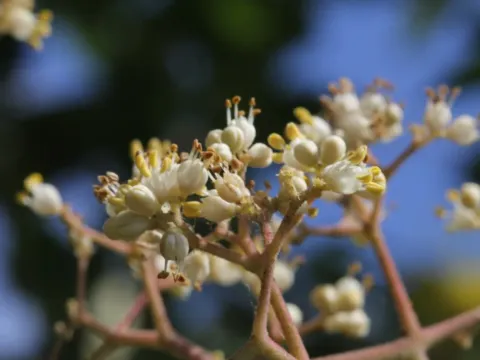
Tetradium, commonly known as the bee-bee tree or Evodia, is a remarkable member of the Rutaceae family. It is prized globally as a significant nectar source, capable of producing abundant pollen and nectar during late summer.
What the section contains


Tetradium
Native to temperate regions of East Asia, Tetradium is increasingly cultivated in parks and apiaries. It typically grows as a small to medium-sized tree, characterized by pinnate leaves and clusters of small white flowers.
The plant thrives in full sun, which is essential for maximizing flower production. It prefers well-drained, fertile soil that maintains moderate moisture levels throughout the growing season.
Regarding climate, while mature trees can tolerate mild frost, young specimens require protection during their first winters. A location shielded from strong, cold winds is highly beneficial for the overall health of the tree.
General maintenance includes ensuring the soil does not become waterlogged. During periods of prolonged drought, supplemental irrigation is necessary to maintain the tree's vigor and support the development of flower buds.
Tetradium is relatively resistant to major pests and diseases compared to other tree species. However, it can still be susceptible to common issues if the growing conditions are not optimal or if the plant is under stress.
Root rot is the most common threat, primarily caused by waterlogged soils or heavy clay substrates. To prevent this, careful selection of the planting site and proper drainage are essential components of site preparation.
Occasional infestations of sucking insects, such as aphids or scale insects, may occur on young shoots. While rarely lethal, these pests can stunt growth and should be monitored during the early spring and summer months.
Cultural practices, such as maintaining proper spacing and performing regular pruning, are the best defense against fungal infections. Removing diseased or dead wood helps minimize the risk of pathogen spread within the canopy.
Integrated Pest Management (IPM) practices are highly recommended for Tetradium, especially when grown near apiaries. By using natural predators and gentle biological controls, growers can maintain tree health without harming beneficial pollinators.