
Swinglea glutinosa
Swinglea glutinosa
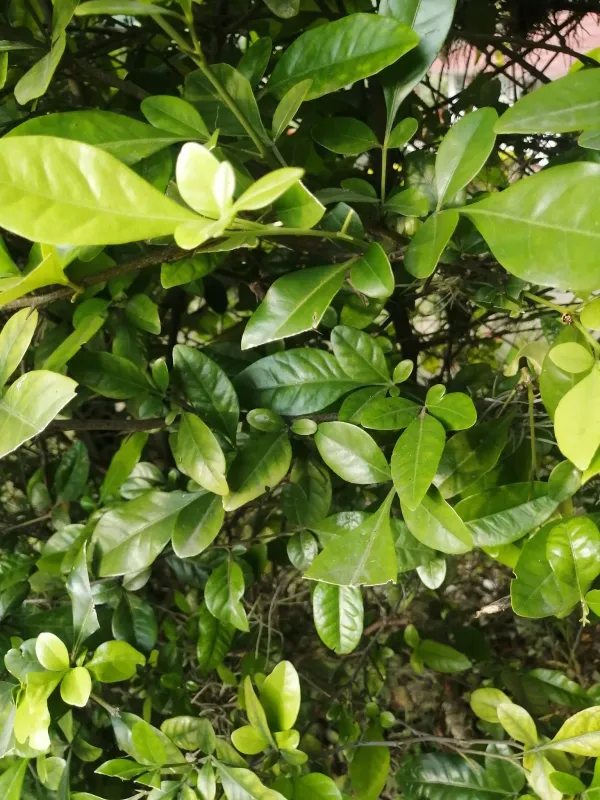
Description
Growing requirements
Swinglea glutinosa belongs to the Rutaceae family and is commonly known for its utility in tropical agriculture. It is a dense, evergreen shrub or small tree, reaching a height of several meters, characterized by its sharp thorns and glossy, trifoliate leaves.
The plant thrives in tropical and subtropical climates, showing remarkable adaptability to diverse soil conditions. It prefers full sun exposure and is highly effective at growing in soils ranging from sandy loams to heavier, clay-based substrates, provided there is adequate drainage.
Agrotechnical management requires periodic pruning to maintain its form, especially when grown as a hedge. The plant is drought-tolerant once established, but it benefits significantly from consistent moisture during the early stages of development and the peak growing season.
Propagation is typically achieved through seeds or stem cuttings. Seeds should be sown fresh, as they lose viability relatively quickly when dried or stored in suboptimal conditions. The nursery stage requires well-drained, nutrient-rich soil to ensure vigorous initial growth.
The species is known for its resilience to various environmental stresses, including high winds and heat. However, it should be protected from temperatures below freezing, as frost can cause significant damage to the foliage and young branches.
Harvesting
The primary economic use of Swinglea glutinosa is the establishment of "living fences." Its dense branching habit and prominent, sharp thorns provide an impenetrable barrier against livestock and unauthorized entry, effectively securing orchard perimeters.
The fruit of the tree is edible, often consumed in local beverages or processed for its high pectin content. Ongoing research investigates the potential of its essential oils, which are similar in composition to those found in other Citrus-related species, for use in the food and cosmetic industries.