
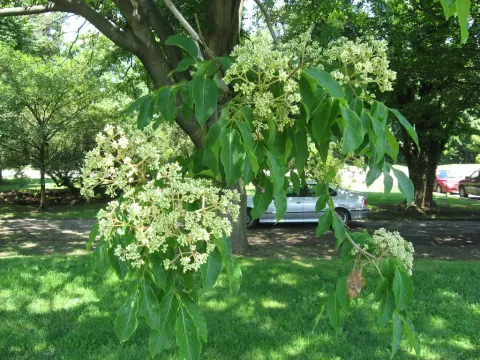
Tetradium
Tetradium Lour.
Tetradium, commonly known as the bee-bee tree, is primarily propagated through seeds, which often require a period of cold stratification to break dormancy successfully.
What the section contains
Tetradium
The optimal time for sowing is during the early spring once the soil temperature consistently reaches a level that promotes germination and early root development.
A well-draining, nutrient-rich soil mix with a neutral pH is essential for growing healthy seedlings, ensuring that the roots remain aerated and free from pathogens.
Seeds should be sown at a depth of about 1 to 2 centimeters and kept consistently moist until the first true leaves appear, which usually takes several weeks.
During the initial growth phase, protecting the delicate seedlings from direct, scorching sunlight and strong gusts of wind is crucial for their long-term survival.
Tetradium species are part of the Rutaceae family and thrive in full sun conditions, which are necessary to stimulate vigorous vegetative growth and abundant flowering.
The trees prefer fertile, loose soils that provide excellent drainage, as they are susceptible to root diseases if kept in waterlogged or heavy clay conditions.
While mature trees exhibit reasonable hardiness, they require shelter from cold winter winds and may need protective mulching during their first few years of growth.
Regular maintenance includes irrigation during prolonged dry spells and the application of organic fertilizers early in the spring to support the canopy development.
Proper spacing is a vital consideration when planting Tetradium, as these trees can grow quite large and need adequate room to spread their branches fully.
The most common health issues for Tetradium involve fungal infections such as root rot and powdery mildew, which thrive in environments with poor air circulation.
Pests like aphids are frequently found on the undersides of leaves or on succulent new shoots, where they feed and can stunt the growth of young trees.
Scale insects may also affect the bark, requiring careful monitoring and the timely application of horticultural oils or systemic insecticides for effective control.
Good cultural practices, such as removing dead or overcrowded branches, significantly improve airflow within the tree's canopy and reduce the risk of infestation.
Keeping the area around the base of the tree clean and free of weeds prevents moisture retention and creates a less favorable environment for soil-borne pathogens.
Tetradium is highly regarded in agriculture as an exceptional nectar-producing plant, providing a vital resource for honey bees during the summer months.
The collection of seeds for propagation occurs in late autumn when the fruit capsules begin to dry out and change color, indicating they are ready for harvest.
Timing the harvest is critical, as seeds can easily disperse if left on the tree for too long, which results in significant losses for the nursery grower.
Once harvested, the seeds should be extracted from the capsules and dried in a cool, ventilated area to prevent rot and maintain long-term seed viability.
Proper storage in paper bags within a cool environment helps preserve the germination potential of the seeds until they are ready to be sown in the next season.