
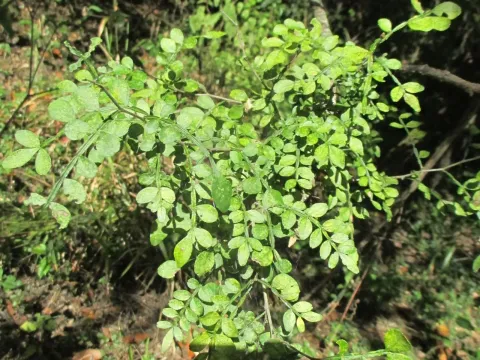
Toddalia
Toddalia
Toddalia asiatica is a perennial woody climber known for its medicinal properties. In the wild, it propagates through seeds, which are typically dispersed by avian species that consume its berries.
What the section contains

Toddalia
When cultivating, seeds should be sown in a well-draining, nutrient-rich potting mix. Maintaining a consistent temperature between 20°C and 25°C is critical for successful germination.
Sowing occurs during early spring after the risk of frost has completely passed. The seeds are placed at a shallow depth of about 1 centimeter, ensuring sufficient moisture is maintained throughout the process.
For more predictable results, vegetative propagation using semi-hardwood cuttings is preferred. Cuttings are placed in a high-humidity environment until a robust root system develops.
Once the saplings are established, they are gradually acclimatized to outdoor conditions before final transplanting into the main growing field or garden area.
As a member of the Rutaceae family, Toddalia thrives in tropical and subtropical environments. It requires significant warmth and consistent light, though it can tolerate partial shade in hotter climates.
Soil quality is paramount; the plant prefers loamy, well-aerated substrates with a neutral pH. Proper drainage is essential, as waterlogging is the most common cause of crop failure.
Sturdy trellises or permanent supports are a mandatory requirement for this climber. Its hooked thorns allow it to ascend rapidly, and failure to provide support results in poor yield and tangled growth.
Nutrient management involves regular applications of balanced NPK fertilizers during the growing season. This ensures steady production of healthy leaves, which are the primary focus for harvesting.
Watering should be deep but infrequent, allowing the top layer of soil to dry out slightly. This practice encourages the plant to develop a deeper and more resilient root structure.
Fungal pathogens represent the primary threat, particularly in humid conditions where airflow is restricted. Root rot is a common symptom of overwatering or inadequate soil drainage.
Pests such as aphids, spider mites, and scale insects frequently colonize the tender tips of the vine. These pests extract sap, which stunts growth and reduces the quality of the foliage.
Integrated Pest Management (IPM) strategies, including the use of neem oil or beneficial predatory insects, are highly recommended to avoid chemical residues on medicinal harvests.
Routine inspection of the plant architecture is necessary to remove dead or diseased stems. Good sanitation practices, including cleaning tools after each use, prevent the spread of pathogens.
Frost sensitivity is a major concern; in regions with colder winters, the plant must be protected or grown in controlled greenhouse conditions to avoid severe tissue damage.
Harvesting Toddalia typically focuses on leaves and the bark of the roots. Timing is essential, with leaf collection performed during the peak of the growing season when chemical content is highest.
Careful pruning is practiced to ensure that the plant continues to produce new shoots. Only mature, vibrant leaves are selected to ensure maximum potency of active compounds.
Root harvesting requires careful excavation to minimize trauma to the plant. After harvest, the root bark is stripped, cleaned, and processed according to specific medicinal standards.
Drying must be conducted in low-light, well-ventilated areas at controlled temperatures. This prevents the degradation of volatile oils and other sensitive pharmacological substances.
Final storage involves placing the dried materials in moisture-proof, airtight containers. This protects the product from environmental degradation and maintains its quality for long-term use.