
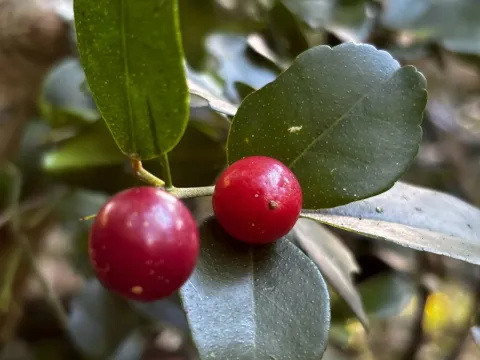
Triphasia
Triphasia
Triphasia, specifically the species Triphasia trifolia, belongs to the Rutaceae family. It is an evergreen shrub that reaches up to 3 meters in height in its natural habitat and is characterized by a dense canopy covered with sharp spines.
What the section contains

Triphasia
The plant originates from Southeast Asia but is now widely distributed throughout tropical and subtropical regions worldwide. The crop requires a warm climate and cannot tolerate freezing temperatures, so it is grown as a container or greenhouse plant in temperate zones.
To thrive, Triphasia requires well-drained, fertile soil with a neutral or slightly acidic pH level. It is essential to protect the plant from strong winds and provide sufficient sunlight, as development in deep shade is slow and blooming is minimal.
Cultivation practices include regular but moderate watering: the plant does not tolerate waterlogging, which can easily lead to root rot. During the growing season, it is recommended to apply complex mineral fertilizers specifically designed for citrus crops.
In terms of economic use, Triphasia fruits are appreciated for their aroma and a flavor profile reminiscent of lime. They are consumed fresh or used in the production of jams, preserves, marinades, and beverages, and are also highly valued as ornamental hedge plants due to their dense foliage.
Common pests affecting Triphasia include citrus whitefly, spider mites, and scale insects, which frequently infest leaves and new shoots when the plant is kept in greenhouse conditions.
If humidity and soil moisture levels are not properly managed, the plant becomes highly susceptible to various fungal infections that result in leaf spot diseases.
Disease and pest management strategies rely on preventive measures such as moisture monitoring and regular inspection of the plant's aerial parts.
In cases of severe infestation, the application of specialized insecticides and fungicides approved for use on citrus plants is recommended.
A crucial protection strategy is maintaining a quarantine period for any new plant specimens to prevent the introduction of pests into existing collections.