
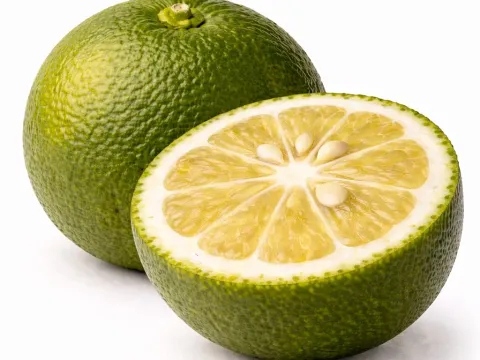
Kabosu
Citrus sphaerocarpa
Kabosu is an evergreen fruit tree belonging to the Rutaceae family. It is a natural hybrid, genetically related to the papeda and mandarin orange. In cultivation, the tree typically reaches a height of 2 to 4 meters, featuring a dense canopy with leathery, dark green leaves and small thorns on its branches.
What the section contains
Kabosu
The crop has specific climate requirements, preferring subtropical conditions with mild winters. The optimal temperature range for active growth is between 20–28°C. The plant is sensitive to prolonged frost, so it requires protection from freezing temperatures when grown in open soil.
Successful cultivation requires well-drained, fertile, loamy soils with moderate acidity (pH 5.5–6.5). The crop is extremely sensitive to waterlogging in the root zone, which can lead to the development of root rot and potential death of the plant.
Adequate lighting is a critical factor in the plant's agrotechnics. Kabosu requires plenty of sunlight for proper fruit development and the accumulation of essential oils in the peel. In conditions of insufficient sunlight, the tree will flower poorly and produce small, underdeveloped fruit.
Regular irrigation is essential, especially during the flowering and fruit-setting stages. However, one must avoid over-watering, maintaining a delicate balance between substrate moisture and aeration to ensure the root system can breathe properly.
The primary pests affecting Kabosu, as with other citrus varieties, are scale insects and mealybugs, which damage leaves and young shoots, weakening the tree. Aphids can also pose a serious threat by potentially transmitting viral diseases.
Spider mites frequently attack the plant during periods of low humidity, causing leaf yellowing and premature leaf drop. Regular inspection of the underside of leaves is recommended to detect colonies early and initiate preventative measures.
Among diseases, citrus melanose is a significant threat, appearing as dark spots on leaves and fruit. Furthermore, poor agricultural practices can lead to Phytophthora infections, which specifically target the root collar of the plant.
Anthracnose can develop in conditions of high humidity and poor canopy ventilation. To combat fungal pathogens, copper-based fungicides are typically used, combined with proper pruning techniques to improve airflow throughout the tree.
Balanced nutrition and micronutrient supplements help strengthen the plant's immune system against common pathogens. It is also important to keep the area around the base of the tree free of weeds, which can act as reservoirs for various citrus infections.
The harvest of Kabosu fruit begins when they reach technical maturity while still maintaining a rich green color. At this specific stage, the acid content and aromatic properties of the juice are at their peak.
Fruits are harvested by hand, carefully cutting the stalk to avoid damaging the skin. Damaged fruits lose their commercial value quickly and are susceptible to rot, so great care must be taken during the harvesting process.
Kabosu is widely used in Japanese cuisine as a condiment for fish, seafood, and sauces. Its juice is prized for its unique tart flavor with a subtle herbal undertone, which distinguishes it significantly from common lemons.
Post-harvest, it is recommended to store the produce in a cool place with high humidity to maintain the juiciness of the peel. The fruit does not have a long shelf life at room temperature, necessitating prompt sale or industrial processing.
Beyond fresh consumption, the fruit is a source of high-quality essential oil extracted from the zest. Industrial processing allows the aromatic peel to be utilized in the confectionery and fragrance industries.