
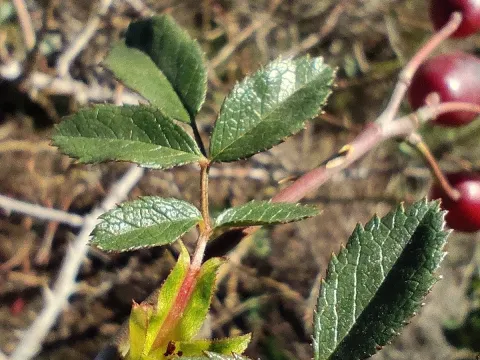
Rosa squarrosa
Rosa squarrosa
Rosa squarrosa is a perennial shrub belonging to the Rosaceae family. As a wild member of the rose genus, it exhibits robust growth characteristics and is widely recognized for its adaptability to various environmental conditions within its native range across temperate regions.
What the section contains
Rosa squarrosa
The botanical structure of the plant features thorny, woody stems that support pinnate leaves. The flowers are typically solitary or clustered, reflecting the classical morphology of the genus. Its growth habit is characterized by dense branching, which makes it an effective species for forming hedges or wildlife corridors.
Regarding cultivation requirements, Rosa squarrosa thrives in well-drained soils with a preference for neutral to slightly acidic pH levels. It is a heliophilic species, meaning it requires full sunlight exposure to maintain healthy vegetative development and promote seasonal flowering.
The plant demonstrates significant tolerance to seasonal temperature fluctuations, including cold winters, which makes it a resilient choice for diverse climatic zones. Soil moisture management is essential during the early stages of establishment, but mature plants show good drought tolerance due to a well-developed root system.
In agricultural practice, Rosa squarrosa is primarily utilized as a high-quality rootstock for grafting ornamental rose varieties. Its compatibility and vigor allow it to support long-lived and healthy garden roses, contributing significantly to the stability of commercial nursery stock production.
The main phytopathological risks for this species include fungal infections such as powdery mildew and black spot. These diseases often emerge under conditions of poor air circulation and excessive foliage humidity, necessitating proper pruning and maintenance practices to keep the plant canopy open.
Common pests affecting Rosa squarrosa include aphids, which cluster on young shoots, and various larvae that feed on the foliage. Integrated pest management strategies, focusing on early detection and the use of targeted biological controls, are highly recommended to ensure the longevity and vitality of the shrubs.