
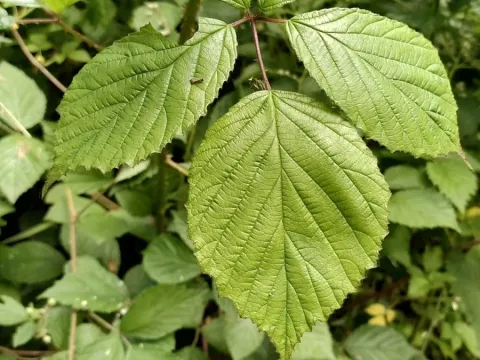
Rough blackberry
Rubus rudis
The rough blackberry (Rubus rudis) is a perennial semi-shrub belonging to the Rosaceae family. This species is known for its robust, arching canes that are densely armed with sharp prickles, a distinct trait that characterizes its growth habit and defense mechanism.
What the section contains
Rough blackberry
The species originates from European habitats, typically thriving in woodland margins, hedgerows, and forest clearings. Its natural distribution spans across various moderate climates where it occupies ecological niches that provide sufficient light and soil moisture.
For cultivation purposes, Rubus rudis requires well-drained, fertile soil with a neutral to slightly acidic pH level. It performs best in locations that receive ample sunlight, although it can tolerate partial shade if the thermal conditions are favourable for vegetative growth.
The plant demonstrates significant hardiness against cold weather, making it suitable for temperate regions. It relies on a strong, deep root system that helps it survive seasonal dry spells while maintaining the physiological processes necessary for fruit production.
In terms of agricultural utility, it is recognized for its medicinal potential and as a source of wild fruit. The berries are rich in antioxidants and vitamins, which makes the plant a subject of interest for sustainable berry farming and garden cultivation.
The primary threats to Rubus rudis include fungal pathogens such as grey mould, which particularly affects the fruit during periods of high humidity. This fungus can compromise the harvest if not managed through proper air circulation and spacing.
Pests like the blackberry mite are known to cause damage to the developing drupelets, leading to uneven berry ripening. Early intervention and the use of integrated pest management are crucial for preserving the quality of the berries during the fruiting season.
To mitigate disease risks, gardeners should ensure that the canes are pruned annually to remove dead or diseased wood. This practice improves airflow within the canopy and reduces the accumulation of moisture, which is a catalyst for fungal spore germination.
Monitoring for signs of leaf rust is also essential throughout the summer months. Removing and destroying affected foliage can prevent the spread of the pathogen, protecting the plant's overall health and vigour for the following season.
Biological controls and organic fungicides can be employed to manage pest populations without damaging beneficial pollinating insects. Maintaining a healthy soil balance through organic mulching helps the plant withstand potential infestations and environmental stresses.