
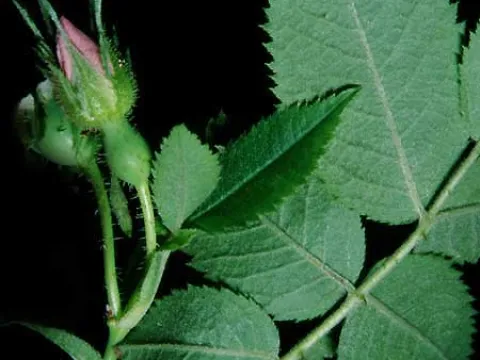
Rosa scabriuscula
Rosa scabriuscula
Rosa scabriuscula belongs to the Rosaceae family and is a perennial shrub. Propagation is typically achieved through vegetative methods such as division, layering, or root suckers, which ensures that the offspring retain the parent plant's characteristics.
What the section contains
Rosa scabriuscula
When propagating via seeds, sowing should ideally take place in autumn immediately after harvesting to allow for natural stratification in the soil. Spring sowing requires prolonged cold pre-treatment of the seeds to ensure a satisfactory germination rate.
Planting seedlings in their permanent location is best scheduled for early spring or autumn when soil moisture levels are sufficient. This timing allows the root system to establish itself properly before the onset of the intense growing season.
The spacing between plants depends on the intended purpose of the plantation, with row-based planting being the most common. A distance of 1.5 to 2.5 meters between shrubs is recommended to prevent overcrowding and to facilitate maintenance.
When planting, the root collar should be buried approximately 3–5 centimeters below the soil level, which encourages the development of additional stems from the underground base of the shrub.
This species is moderately demanding regarding climate, preferring sunny locations that are sheltered from harsh winds. It exhibits excellent cold hardiness, typical of Rosa species adapted to temperate climatic regions.
Soils must be fertile, well-drained, and have a neutral or slightly acidic pH. Waterlogging and stagnant groundwater are highly detrimental to the root system and must be avoided at all costs.
Regular weeding and cultivation of the soil around the base of the shrub are essential, particularly during the first few years. Irrigation should be moderate but consistent during extended periods of drought.
An important aspect of management is pruning to shape the crown. Annual removal of old, unproductive wood (older than 5–6 years) helps rejuvenate the shrub and maintains higher levels of productivity.
The plant responds well to organic fertilization such as compost or well-rotted manure, applied during autumn soil preparation. Mineral phosphorus and potassium fertilizers are best applied in late summer or autumn to help the plant prepare for winter.
The yield of Rosa scabriuscula depends heavily on the age of the shrubs and the quality of agricultural management. Peak productivity is generally observed in plants between 7 and 12 years old under proper care.
The fruit (rose hips) are valuable for their high concentration of Vitamin C, antioxidants, and organic acids. They are widely used in the pharmaceutical industry and for producing healthy teas, syrups, and preserves.
Regular harvesting encourages the plant to direct its energy towards the production of new fruiting wood. Failure to harvest on time can lead to the fruit over-ripening, falling off, and losing its nutritional value.
Productivity metrics are influenced by planting density per hectare. Intensive cultivation practices enable the production of standardized, high-quality botanical raw materials for industry.
Rosa scabriuscula demonstrates strong resilience to environmental stressors, making it a sustainable choice for ecological farming and land restoration projects.
Powdery mildew is a common fungal disease that manifests as a white powdery layer on leaves and shoots during high humidity. Preventive measures include proper crown thinning to ensure adequate air circulation.
Rust is another frequent fungal issue that affects foliage. Prevention involves the thorough collection and destruction of fallen leaves in autumn, as these serve as the primary overwintering sites for the fungus.
Aphids can cause significant damage to young shoots and flower buds by sucking the cell sap. Biological control methods or insecticidal soaps are highly effective if these infestations are detected early.
Leafrollers can twist and damage the foliage, reducing the photosynthetic efficiency of the plant. Manual removal of damaged leaves is practical for small areas, whereas insecticides are used in large-scale plantations.
- Conduct regular inspections of the shrubs for signs of pests or disease.
- Perform timely sanitary pruning to remove infected or dead wood.
- Maintain proper spacing to ensure ventilation and minimize humidity.
- Practice integrated pest management to keep the ecosystem balanced.
Harvesting should be performed when the hips reach full technical maturity, characterized by vibrant color and firm texture. It is crucial to complete the harvest before the first hard frost, as freezing can diminish the quality of the fruits.
The harvest is primarily manual, and workers must use protective gloves due to the sharp thorns on the stems. Specialized mechanical combs can be used to accelerate the process in professional settings.
Harvested fruits must be directed to immediate processing or drying. Storing fresh hips in airtight or poorly ventilated containers will lead to rapid spoilage and a loss of nutritional compounds.
Drying is performed in specialized industrial ovens at temperatures between 50 and 60 degrees Celsius until the moisture content is low enough for long-term storage. This effectively preserves the vitamin content.
Once dried, the raw material is cleaned of sepals and debris, sorted by quality, and packed into breathable bags for storage in dry, well-ventilated warehouse facilities.